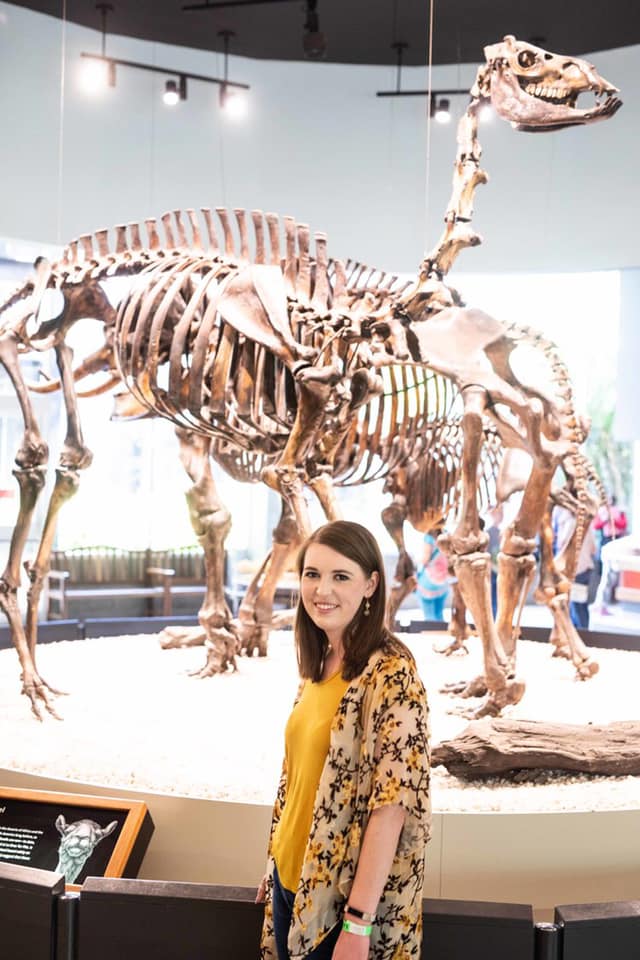
Situated in the heart of downtown Los Angeles, it is famous for having been the site of more than 100 excavations. Just think about how fascinating La Brea Tar Pits is, and i-los-angeles will share more details.
A glimpse into the past
The La Brea Tar Pits area was once an ancient forest and savannah. It later transformed into a ranch and an oil prospecting site. Originally owned by Mexicans, it eventually became part of Los Angeles County Parks. While today’s visitors enjoy the area for leisurely strolls, picnics, games and training camps, it also serves as a paleontological research center. There is certainly more to say about each historical phase that La Brea Tar Pits has been through.
Residents of Los Angeles have the opportunity to observe staff and volunteers as they excavate fossils. Inside the museum, right at the heart of it all, the teams are busy working on these finds in the transparent fossil lab.
They may be tar pits, the study of which provides insight into what animals and plants inhabited the Los Angeles area over 50,000 years ago.
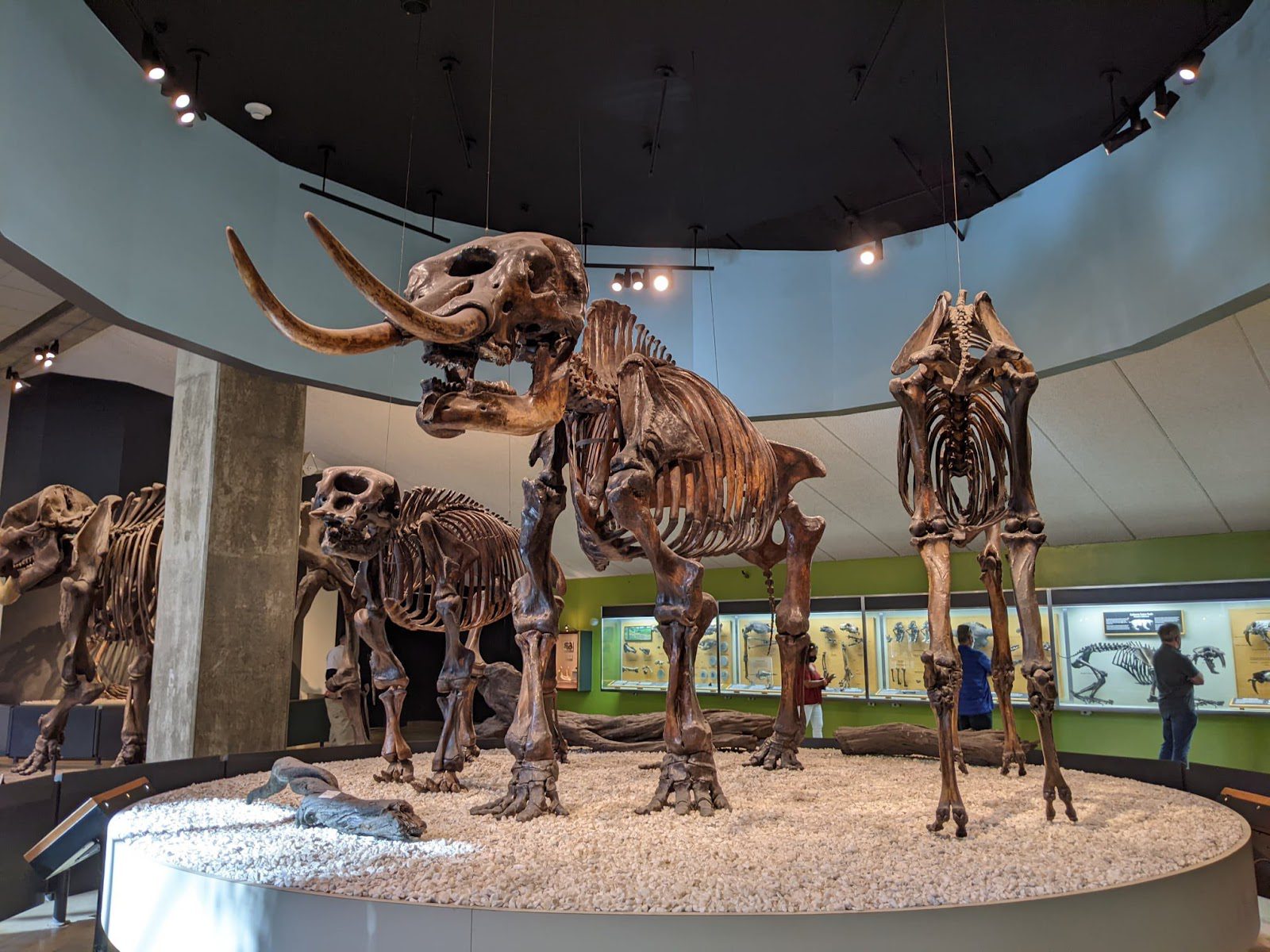
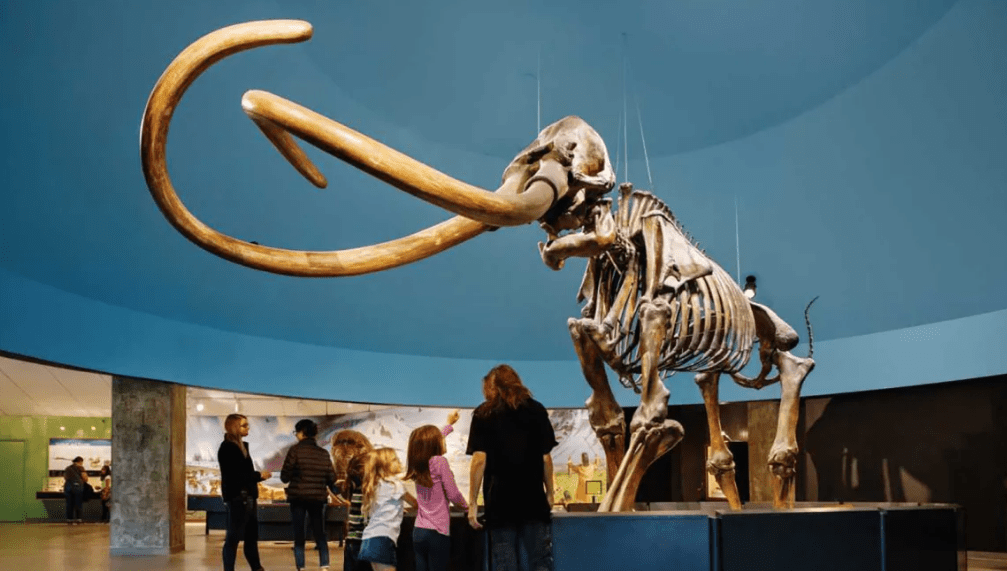
The specialists examine and display extinct mammals. For instance, it includes mammoths, dire wolves and saber-toothed tigers.
There’s also a special emphasis on microfossils—tiny remnants of plants and animals. Their research makes it possible to make predictions about climate changes, both past and present.
If you drill down further, the bones can tell you a lot. For instance, research suggests that a mammoth might have died during a fierce rivalry with another mammal during mating season. Every detail, like the size and shape of the bones, is carefully photographed, and plaster casts are made for further study.
Rancho La Brea
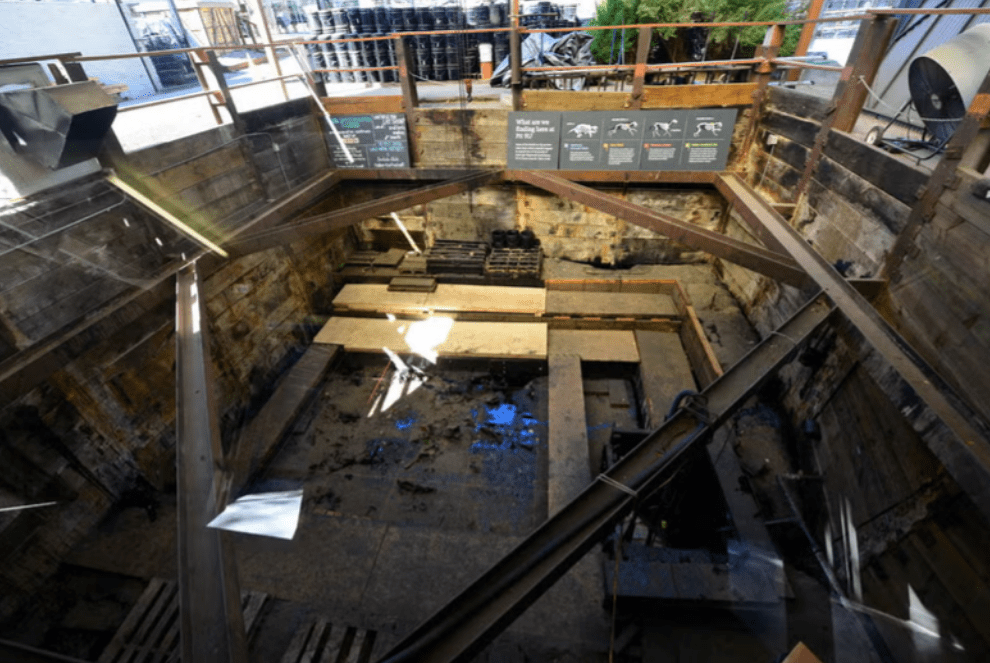
In 1828, Antonio Jose Rocha received a Mexican land grant of over 4,400 acres. The land in question was the Rancho La Brea. One condition of the grant was that local residents would have access to asphalt for their personal use.
Gradually, due to the ongoing expansion of Los Angeles, the Rancho was split up and developed, with George Allan Hancock being its final owner. The man recognized the significance of archaeological digs and fossil studies. He generously donated 23 acres of the Rancho to Los Angeles, emphasizing the importance of preserving the park and its fossil display.
As a reminder, Hancock Park Park was established in 1924. There was virtually no official excavation after that for the next 45 years.
First archaeological research
The earliest recorded reference dates back between 1769 and 1770 when the Franciscan friar Juan Crespi first wrote about the tar springs. Subsequently, in 1875, William Denton noted the existence of extinct animals at La Brea Rancho.
In 1901, William W. Orcutt, a renowned Los Angeles geologist, recognized bones previously thought to be the remains of livestock as actually the fossilized remains of extinct animals. Along with his colleague Frank M. Anderson, Orcutt spent about four years, with some brief interruptions, collecting these remains until they uncovered the fossil deposit. In 1905, Anderson reached out to John C. Merriam at the University of California, Berkeley, marking a key moment in this research.
The height of archaeological excavations
From 1905 to 1915, La Brea Rancho saw a surge in archaeological excavations. Both local and international institutions showed great interest in the fossils discovered in the area. In 1907, D. C. Gilbert, a high school zoology teacher in Los Angeles, began taking his students to assist in uncovering specimens. He was actually the first to organize such tours for a fee, with backing from the Southern California Academy of Sciences and the Los Angeles County Board of Supervisors.
Another notable detail is that in 1910, he oversaw the excavation at the Academy Pit, which ultimately became the center for the vertebrate fossil collection at the present-day Natural History Museum of Los Angeles County.
By 1912, a source of funding was eventually discovered for the initial major excavations. Looking back on the digs conducted by the University of California, they yielded over a thousand specimens. George Allan Hancock, the final rancher, was concerned that the discoveries might be damaged and taken away from the local area. To address this, he generously permitted excavations on his private land for a period of two years.
At the time, the most extensive and thoroughly documented collections were assembled by the Los Angeles Museum between 1913 and 1915. Teams excavated 96 sites during this time, discovering more than 750,000 plant and animal specimens.
Improvements in excavation methods
Certainly, excavation techniques and data collection advanced significantly in the mid-twentieth century, enabling researchers to uncover things that had previously gone unnoticed.
Interestingly, the initial collectors rarely, if ever, documented information regarding the remains of the smallest organisms. On June 13, 1969, excavation work was restarted. The new methods included thorough sampling and meticulous documenting of biological and geological data throughout the excavation process.
George C. Page and the establishment of the museum
In 1917, George C. Page came to California from Nebraska, fascinated by the tar pits at La Brea Rancho. Unfortunately, he did not see any skeletons of Ice Age animals.
Subsequently, he founded the successful company Mission Pak and became known as a trailblazer in the development of industrial parks in the United States. He also made history by funding a museum at the site of the tar pit fossils. Construction began in 1975 and the museum welcomed its first visitors in 1977.
It’s fascinating to note that during the excavation of the museum’s foundation, an unusual discovery was made. Twenty blocks containing bones and plant material were found, which can provide anatomical insights into extinct animals. This finding is also significant because it offers a glimpse into the ecology of the late Pleistocene, an unofficial period in the international geological time scale related to chronostratigraphy.
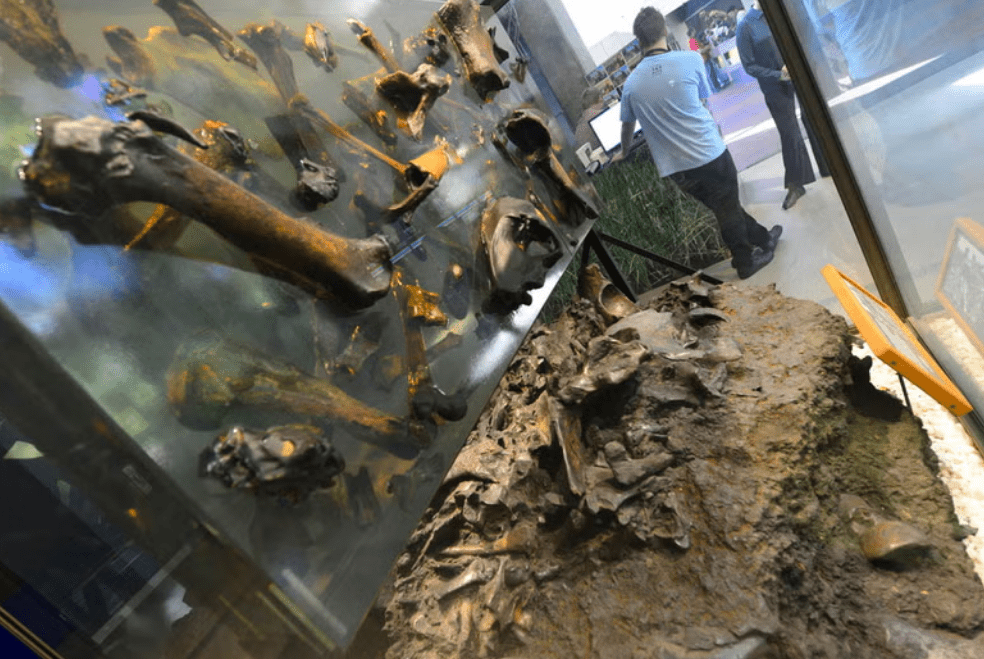
Discovery in 2006 and other significant events
In early 2006, an astonishing discovery occurred during the construction of an underground parking garage at the Los Angeles Museum of Art. While work was underway at the west end of Hancock Park, workers uncovered 16 fossil deposits, including the intact skeleton of a Columbian mammoth, in the area designated for the 10,000-square-foot garage.
In 2017, specialists started utilizing 3D scanning technology, enabling researchers to share findings and compare different samples. It’s also important to mention that the way museums share information is rapidly developing. As a result, scientists and other interested individuals can gain deeper insights into history.
In the summer of 2008, Project 23 was initiated, which resulted in the excavation of many fossils that enriched the existing collections.
It’s important to mention that La Brea Rancho was recognized as a National Natural Landmark by the National Park Service in 1963.
In 2015, the George C. Page Museum underwent a name change to become the La Brea Tar Pits & Museum. This change emphasized the connection between the park and the museum, showcasing them as essential components of a single destination. Visitors of all ages enjoy exploring the site, marveling at the wonders of nature and uncovering the mysteries of the ancient world.