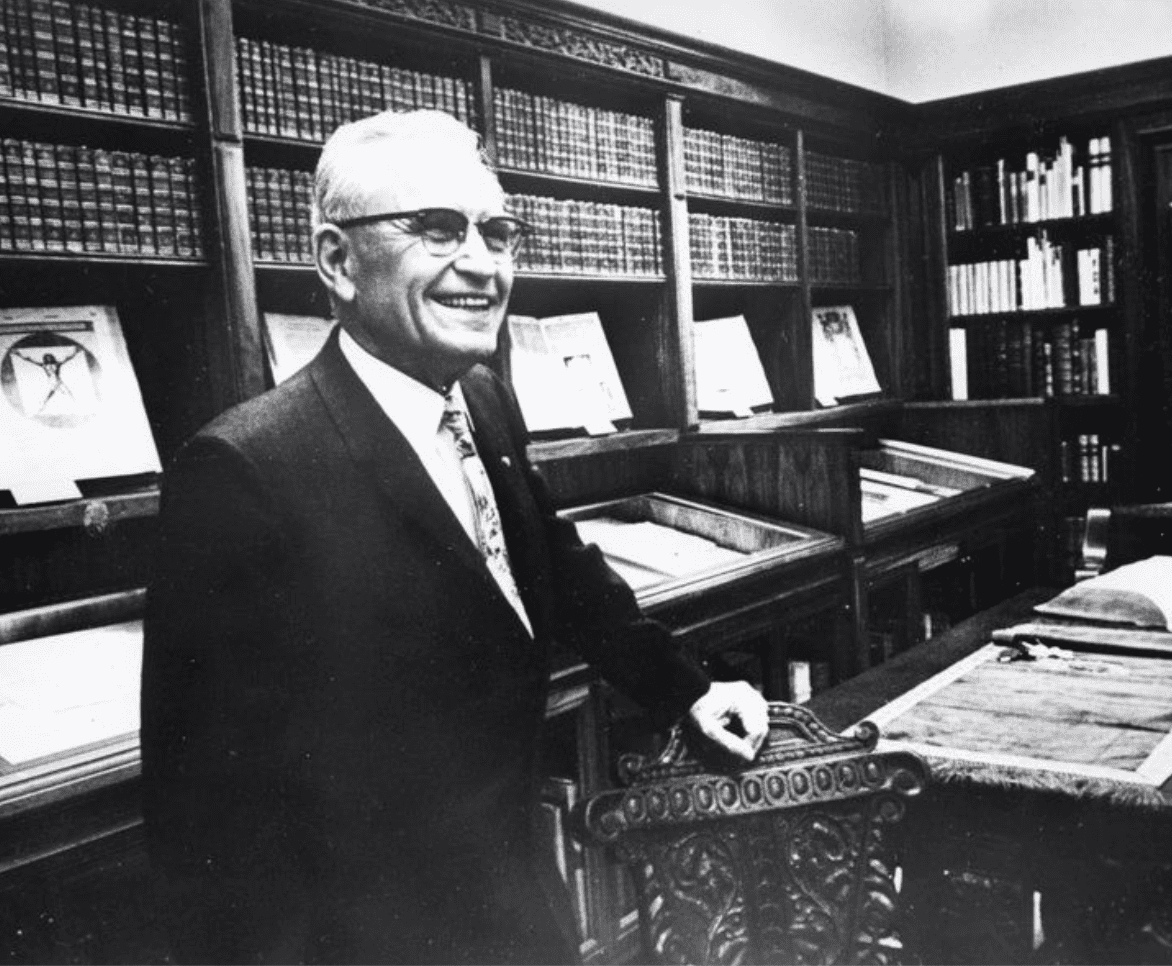

Dr. Elmer Belt was one of the most influential medical figures in 20th-century Los Angeles, seamlessly blending clinical practice, scientific research, and cultural preservation. He not only established a private urology practice and helped found the UCLA School of Medicine but also became a pioneer in performing gender-affirming surgeries. Beyond medicine, Belt left behind a significant library legacy, including a unique Leonardo da Vinci collection housed in the UCLA Library Special Collections. More at i-los-angeles.
Biography
Arthur Elmer Belt was born on April 10, 1893, in Chicago, Illinois, to U.S. postal employees. At age nine, his family moved to Southern California, where Belt received his early education. He spent his high school years at Los Angeles High School, where he studied Latin, a prerequisite for medical school. In high school, he met Ruth Smart, whom he married in 1918. Even at a young age, Belt showed entrepreneurial spirit, opening a small store for books and school supplies. This experience introduced him to leading Los Angeles booksellers, including Ernest Dawson. In a 1979 letter, Belt recalled learning about the Aldine and Gutenberg editions and the “wonderful world of books” while still a student. As a teenager, he experienced the death of his father after a surgical operation, which made a strong impression on him. He remembered the smell of alcohol and resolved never to drink it.
Belt earned his bachelor’s degree in 1916 and his master’s degree in 1917 from the University of California, Berkeley. He then enrolled at the UCSF School of Medicine, where he became a fellow at the Hooper Institute for Medical Research, working with urologists George Whipple and Frank Hinman.
Medical Career
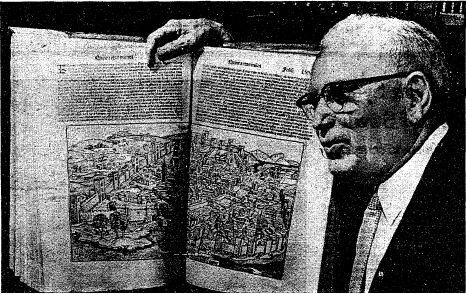
After graduating from medical school in 1920, Belt began his urology residency with Dr. Hinman. After his son Charles was seriously injured in a car accident, Belt switched to a general surgery residency at Peter Bent Brigham Hospital at Harvard, working under Dr. Harvey Cushing. During his studies, he took a course on the history of medicine led by George Corner, which sparked his lifelong passion for Leonardo da Vinci.
In 1923, Elmer and Ruth Belt settled in Los Angeles, where he began his private practice. In 1936, he founded the Elmer Belt Urologic Group at 1893 Wilshire Boulevard, housing his personal library on the second floor. Belt gained recognition in medical circles and held positions as a consultant and staff urologist at numerous Los Angeles County hospitals. Alongside his urology specialty, he was involved in public health issues. From 1939 to 1954, he served as president of the State Board of Public Health, worked on the construction of the Hyperion Water Reclamation Plant, supported the rights of migrants from the Dust Bowl, and initiated funding for the treatment of venereal diseases during World War II. Belt published numerous works on both urology and Leonardo da Vinci.
UCLA School of Medicine
Immediately upon returning to California in 1923, Belt began lobbying for the creation of a medical school at UCLA. His efforts were complicated by the Great Depression and World War II, but in 1945, he launched an active campaign with the state legislature. As Governor Earl Warren’s personal physician, Belt used the opportunity to convince him of the need for the medical school. On February 19, 1946, the governor signed a bill allocating $7 million for the UCLA School of Medicine. Belt also played a key role in selecting the location for the campus—on 33 acres in Westwood. To do this, he obtained the necessary approval from the Veterans Hospital Association through the U.S. Congress.
He helped appoint the first dean of the School of Medicine, Stafford L. Warren, and in 1951, the school admitted its first class of students. Belt served as a clinical professor of surgery (urology) and remained an active supporter of the school for the rest of his life.
Gender-Affirming Surgery
Dr. Elmer Belt holds a notable place in American medical history not only as a distinguished urologist and UCLA educator but also as one of the first physicians to show understanding toward patients with gender dysphoria at a time when the subject remained taboo. Archival data indicates that as early as the 1950s and 1960s, Belt was performing surgical procedures for transgender patients in Los Angeles.
In his practice, Belt collaborated with the renowned endocrinologist and sexologist Harry Benjamin, who referred patients to him requiring surgical correction of the genitals. These operations were performed with maximum confidentiality and medical ethics, as such procedures had no legal recognition at the time. Some of Belt’s technical solutions were ahead of their time. Specifically, he used various methods of reconstruction and tissue transplantation, striving to preserve functionality and a natural physiological result. Given the legal restrictions in 1950s California, the doctor sometimes avoided direct castration procedures, performing less radical interventions to avoid legal consequences.
Even though some of his operations remained outside of official documentation, medical historians recognize Belt as one of the pioneers of gender-affirming surgery in the United States. His work became an important milestone in shaping a clinical practice that would later find development in major university centers, including UCLA.
The Collector
Since childhood, Belt had been fascinated by books, collecting comics and novels. In his adult life, he built collections of works by Upton Sinclair, Silas Weir Mitchell, and Florence Nightingale, which he donated to the UCLA library. His greatest achievement was the Elmer Belt Library of Vinciana, dedicated to Leonardo da Vinci. He collected all available editions of Leonardo’s works, books the artist himself used, and early art history works. Starting in the 1930s, Belt worked with agent Jacob Zeitlin, and in 1945, he hired a librarian to manage the collection. Between 1961 and 1966, he transferred it to UCLA on the condition that it be maintained as a separate collection.
His wife, Ruth Belt, became a social and cultural leader in Los Angeles, heading the LA Library Commission and the Opera Guild, and serving as president of the UCLA Art Council. After suffering a stroke, he died on May 17, 1980, at the age of 87.
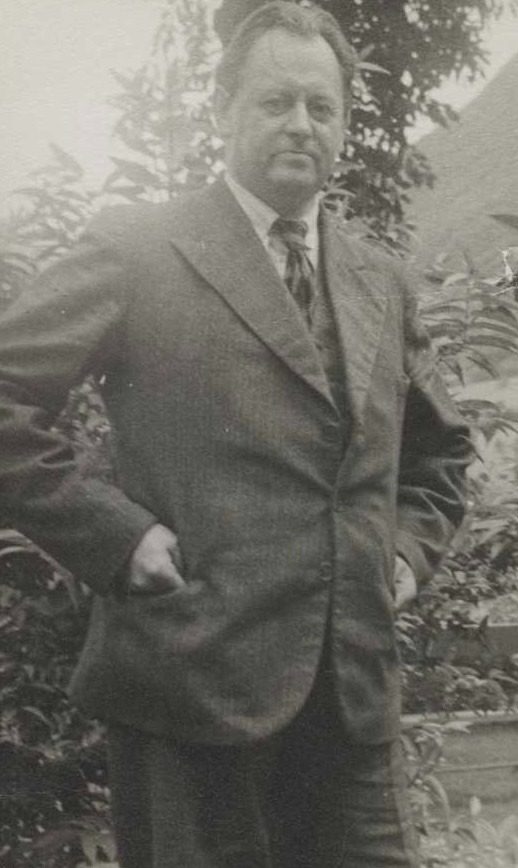
Throughout his brilliant career, the scholar earned numerous honors that testified to his contributions to science, education, and medical history:
- Honorary Phi Beta Kappa key for outstanding academic achievement;
- The Italian Star of Solidarity (Silver) in recognition of international cooperation and humanitarian contributions;
- Honorary Doctor of Laws from the University of California, Los Angeles (UCLA);
- University Service Award for significant contributions to the university community;
- President of the Society for the History of Technology—he led the prestigious scientific society of technology historians;
- Sir Thomas More Medal for book collecting—an award for his unique library of historical medical editions;
- American Urological Association Award for contributions to the study of urological history;
- Aesculapian Award from the UCLA Medical School—for outstanding scientific and educational activities.