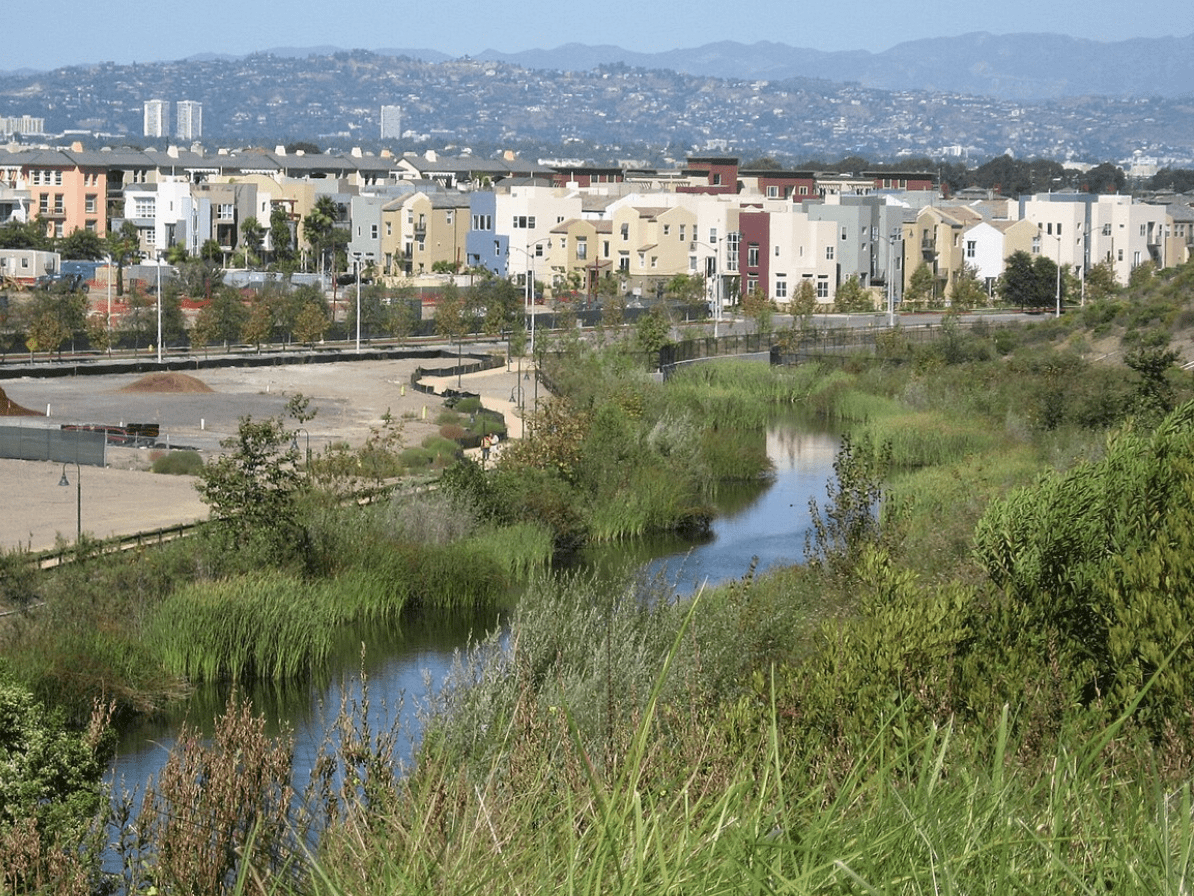

The massive Playa Vista Archaeological and Historical Project is located in the western part of Los Angeles. This area, one of the largest residential and commercial developments in the U.S., surrounds the Ballona Lagoon, a rich estuarine environment once fed by the Ballona and Centinela Rivers. Historically, this zone has attracted human settlement for millennia, making Playa Vista crucially important for understanding Southern California’s history. Read more at i-los-angeles.
Historical Context and Ancient Settlements
Estuarine resources have attracted human populations for at least 8,000 years. Numerous settlements were located along the shores of the lagoon and its tributaries. Native Americans, known as the Tongva, may have established the important Guaspet settlement during the late prehistoric and early historic periods. In the 19th and early 20th centuries, this area was a hub for agricultural production, recreational activities, and industrial operations related to oil extraction.
The Playa Vista Archaeological and Historical Project (PVAHP) is a multi-faceted, long-term archaeological study covering the sedimentary layers, material culture, paleoecology, and bioarchaeology of the Ballona/Playa region. The PVAHP report series includes excavation methodologies, large-scale recovery results, and a synthesis of findings that demonstrate the area was continuously inhabited for millennia by groups known as the Gabrielino-Tongva. The project encompasses two primary groups of archaeological and historical sites: the Ballona Lagoon Archaeological District, which focuses on numerous prehistoric sites, and the Hughes Historic Industrial District, which includes the buildings and structures of the factory in Culver City.
Archaeological Investigations
SRI has served as the Cultural Resource Management (CRM) consultant for the Playa Vista project since 1989. Their work covers complex and delicate tasks, ranging from archaeological surveys to consultation on legal and political aspects.
The core areas of SRI’s activity include:
- A 1,000-acre archaeological survey of the area;
- Architectural assessment of 40 historic buildings;
- Development of a comprehensive research design;
- Negotiation of Programmatic Agreements between federal and state agencies;
- Documentation of two properties for the National Register of Historic Places (NRHP);
- A visual-aesthetic historical study;
- Archaeological testing of 12 prehistoric and historic sites;
- A Historic Resource Protection Plan;
- Documentation of 15 buildings eligible for the National Register;
- Archaeological data recovery at 8 sites;
- Paleoecological reconstruction of the Ballona Lagoon’s evolution;
- Implementation of innovative identification and excavation methods;
- Monitoring of construction work;
- Providing expert testimony in judicial and administrative proceedings.
The Excavation Site
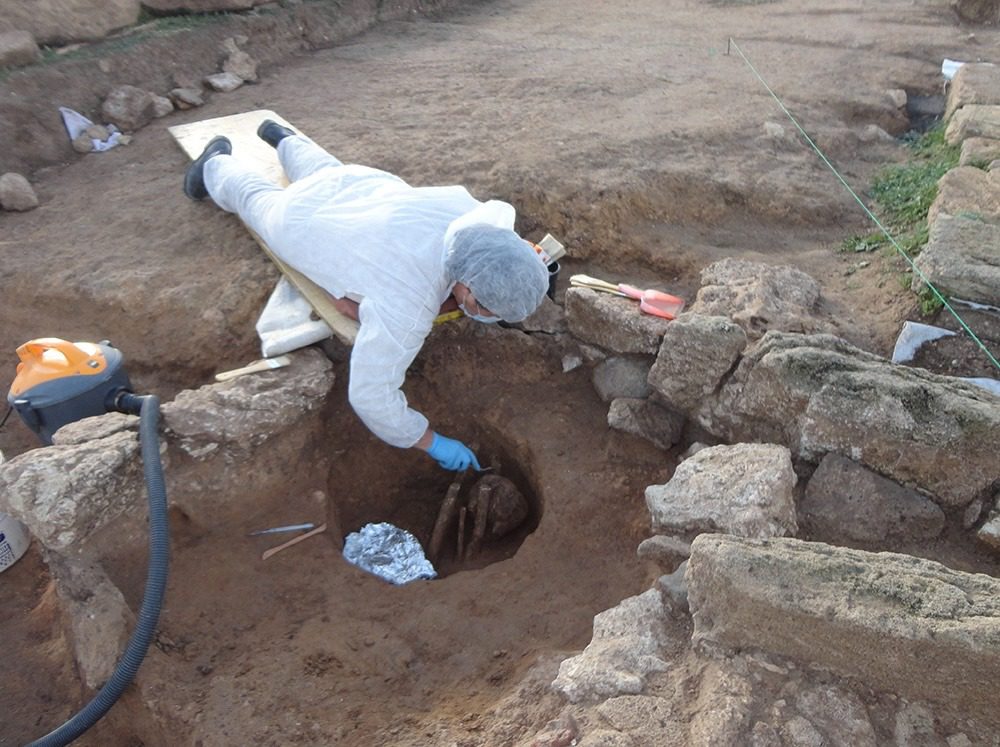
The excavations at the ancient settlement site in Los Angeles have become one of the most significant examples of archaeological research related to Native American cultural heritage. They have revealed a rich layer of the history of the Tongva people, who lived in the area for centuries, maintaining a strong connection with the natural environment—the lagoons, streams, and coastline. However, these discoveries have been accompanied by a series of ongoing ethical, scientific, and social challenges. The excavations uncovered traces of settlements and numerous artifacts, allowing for the reconstruction of diets, crafts, connections to coastal ecosystems, and the burial practices of the local communities.
During the massive commercial construction in the Playa Vista area, numerous human remains and artifacts belonging to the ancient Tongva settlement were exhumed. This process triggered a sharp reaction from the public and Indigenous communities, who stressed the necessity of respectful handling of the burials and reverence for their ancestors. The core of the debate centered on the ethics of archaeological work when economic interests clash with cultural memory.
Another challenge is that archaeological materials and research results often remain unpublished. This makes it difficult for journalists, researchers, and public activists who seek to report on the topic objectively and comprehensively. The lack of transparency in archaeological projects hinders public oversight of how Indigenous cultural heritage is handled within the context of a modern city.
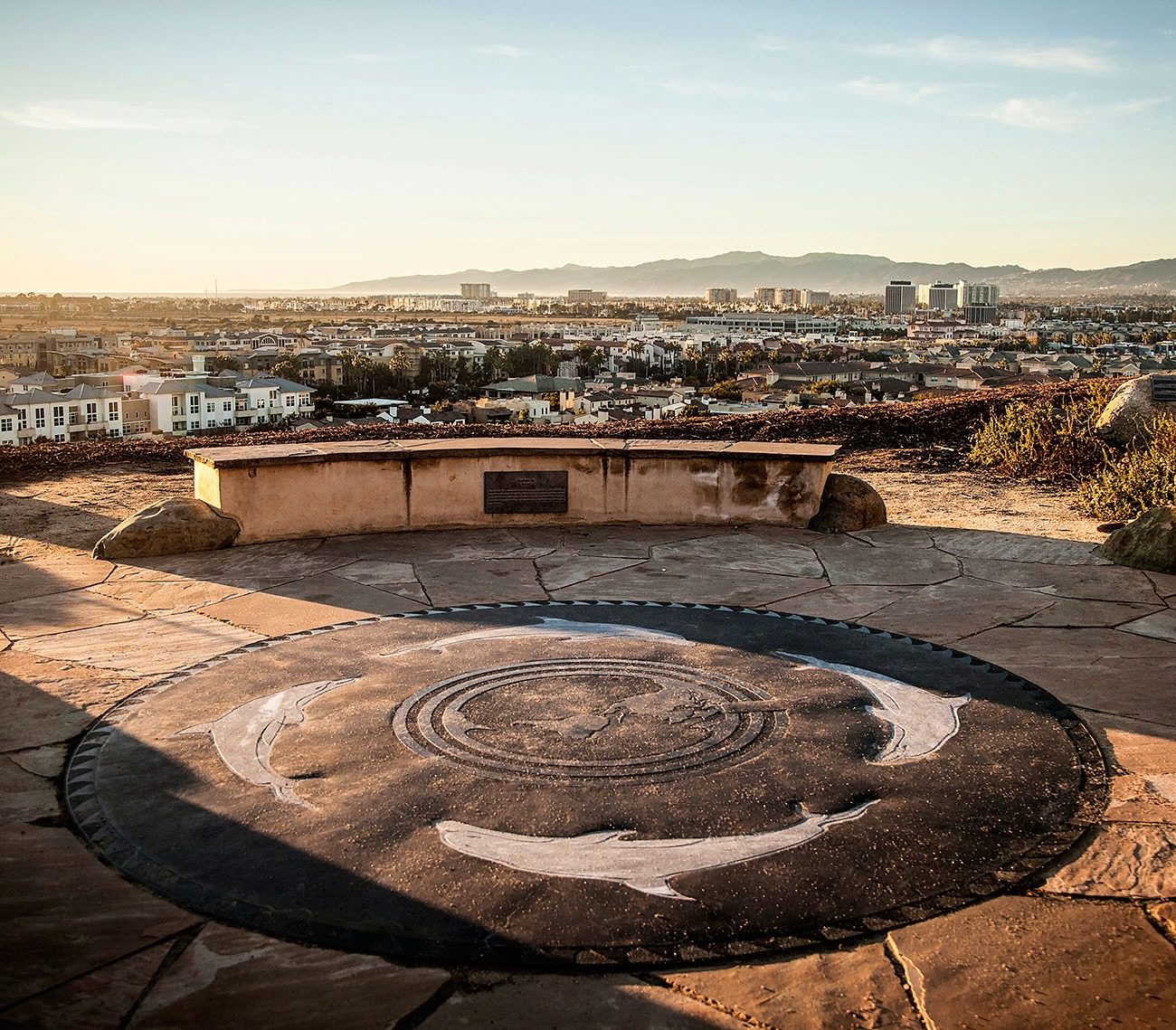
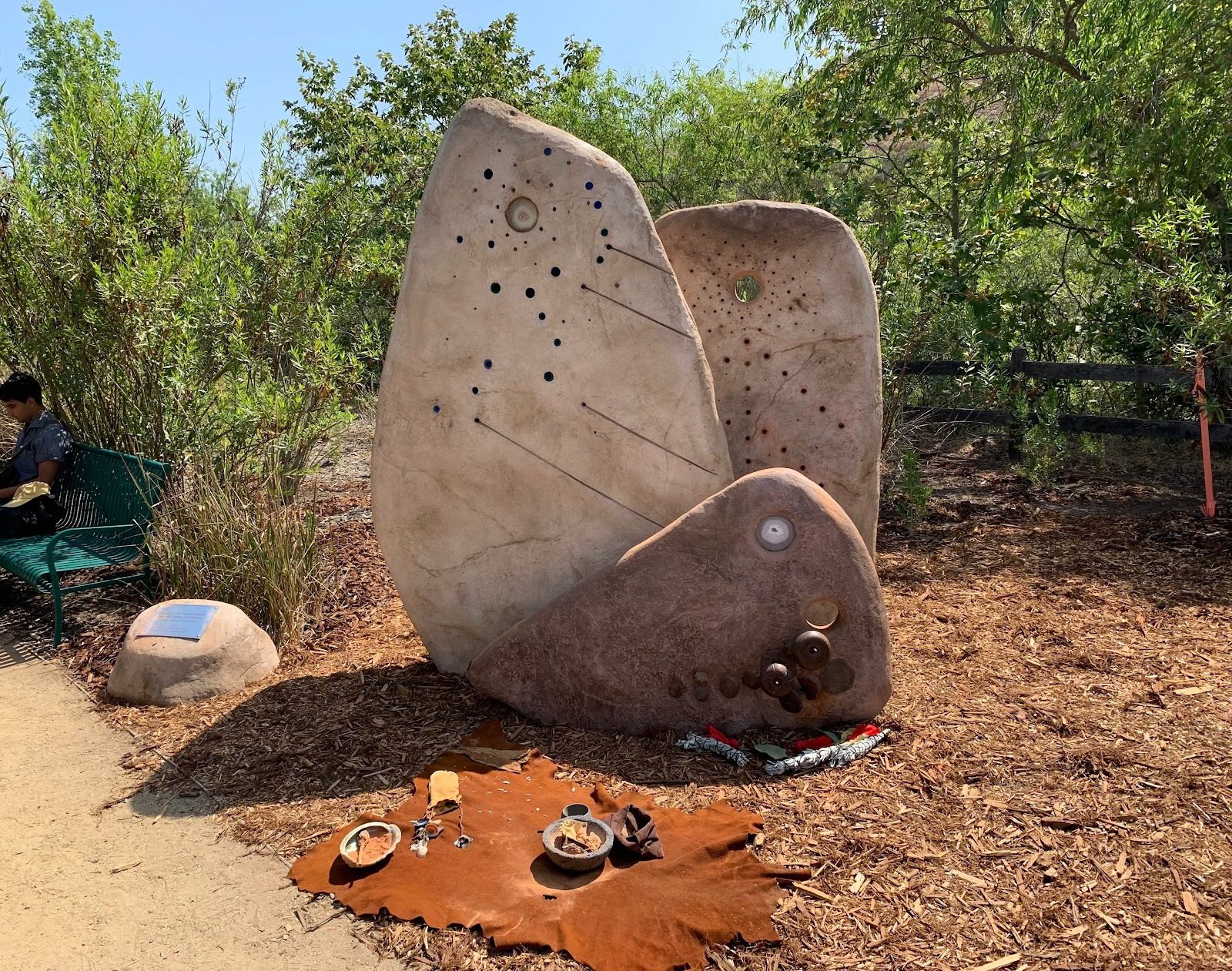
Modern archaeology requires cooperation with the descendants of the native peoples, as they have the right to be involved in the interpretation and preservation of their history. In the case of Playa Vista, Tongva representatives called not only for consultation but for co-management of cultural resources—from making decisions about burials to creating educational programs and memorial spaces. Following years of disputes, actions were taken to repatriate and rebury some of the remains, memorial spaces were established, and steps were taken to recognize the importance of descendant involvement in cultural heritage decisions. The 2008 reburial ceremonies and subsequent work to create a memorial at Ballona Discovery Park were noted. At the same time, Tongva representatives and public groups continue to advocate for wider recognition and participation in managing these resources.
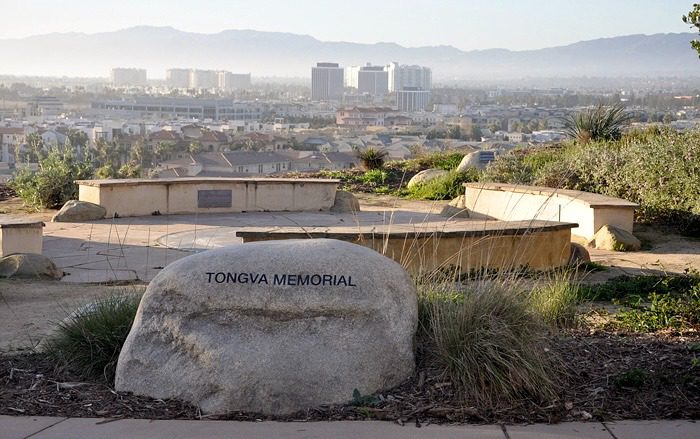
The excavations at Playa Vista are not merely an archaeological project. They are a symbol of the complex co-existence of past and present, an attempt to find a balance between the development of a metropolis and respect for its earliest inhabitants. For journalists, historians, and cultural commentators, this site is a “window into Los Angeles’ past,” through which they can tell the story of the depth of Indigenous heritage, the value of historical memory, and the necessity of preserving the voice of those who were present at the city’s beginnings.
Collaboration with Organizations
SRI works with federal, state, and local agencies, as well as Native American representatives. They ensure compliance with cultural resource protection laws at various levels:
- Federal (National Environmental Policy Act, National Historic Preservation Act);
- State (California Environmental Quality Act, California Coastal Commission regulations, burial laws);
- Municipal (Los Angeles Cultural Heritage Commission ordinances).
Challenges and Achievements
Playa Vista has been a true test for archaeologists, anthropologists, and resource managers. SRI’s involvement ensures that the project develops on schedule and complies with all regulatory requirements for historical site protection. This comprehensive approach safeguards cultural heritage while enabling the successful realization of one of the largest residential and commercial developments in the U.S.
Playa Vista demonstrates how modern urban initiatives can successfully combine economic development with historical heritage protection, serving as an example of responsible land use planning and the preservation of cultural memory for future generations.