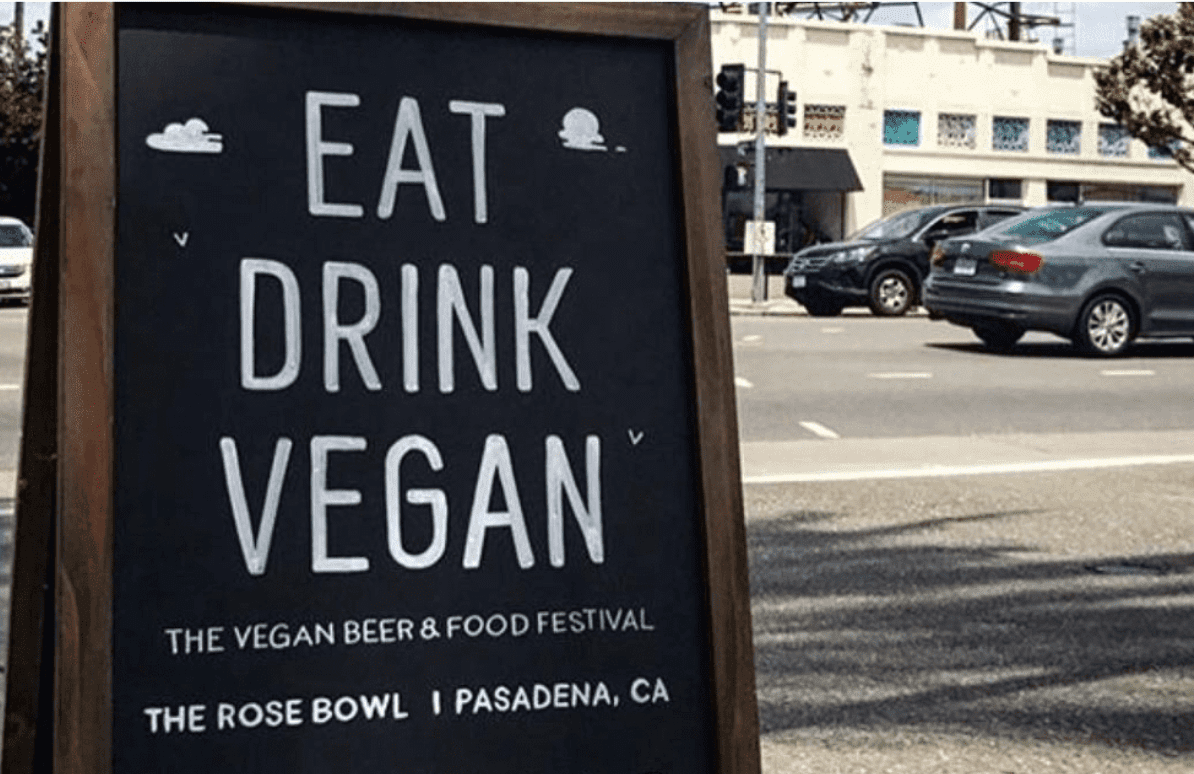

While Los Angeles is today synonymous with an abundance of plant-based dining options and vegetarian and vegan establishments, the roots of this phenomenon stretch far back. In a city that has always been a center for exploring new lifestyles and dietary experiments, the vegetarian movement developed gradually—from small cafes in the early 20th century to a massive plant-based food industry in the early 21st century. Read more at i-los-angeles.
The Movement in the 20th Century
As early as the turn of the 20th century, the first mentions of public organizations dedicated to vegetarianism and meat-free cafes appeared in Los Angeles. For instance, research indicates that the “Vegetarian Society of Los Angeles” held a member gathering in 1902. A cafe at the intersection of Hill & 3rd St in 1915 exemplifies these early establishments. Despite this, the movement remained niche during those years, and the city’s press often treated it with irony.
One of the key factors in the movement’s growth was the establishment of farmers markets in the city, beginning in the 1930s. The Original Farmers Market at 3rd Street and Fairfax Avenue, for example, became a primary location for accessing fresh fruits, vegetables, and local produce. This laid the groundwork for local culinary traditions focused on plant-based ingredients.
By the mid-20th century, alongside population growth and increased diversity from immigrant communities, Los Angeles began embracing various culinary practices, including vegetarian and macrobiotic dietary approaches.
Concurrently, the 1960s and 1970s saw the emergence of the first specialized stores and cafes that offered exclusively plant-based food, a response to the demand from a population focused on healthy living.
Since the 1990s, Los Angeles has gradually transformed into one of the leading plant-based food centers in the U.S. Farmers markets and food festivals, such as SoCal VegFest and Vegan Street Fair, became regular events promoting plant-based products, nutrition education, and environmental sustainability. Restaurant culture also flourished during this time: restaurants and cafes started adopting plant-forward menus, and some establishments became entirely vegetarian or vegan. This period is also characterized by the food industry starting to pay attention to consumer demand for “meat-free” options, with vegetarian product alternatives moving from professional kitchens into everyday life.

Scientific and Political Backing
Los Angeles universities play a key role in building the evidence base for plant-based nutrition. Research and education initiatives from UCLA and related programs show that plant-forward diets reduce the carbon footprint of one’s diet, conserve water, and have a positive impact on cardiovascular health and glucose control. This scientific support allows policymakers to justify relevant changes in food programs.
One of the most important local innovations is political initiatives within Los Angeles County that directly promote plant-based alternatives. The County Board passed a motion pushing toward making public procurement and services “plant-based by default”—meaning the majority of menu items in government facilities and catering services should be plant-based, with alternatives for those who choose other options. This strategic decision is viewed as a measure aimed simultaneously at reducing greenhouse gas emissions, improving nutrition, and stimulating the growth of local plant-based product markets.
The County Department of Public Health and partner programs work to make plant-based options accessible and appealing. The LA County “Eat Your Best” initiative promotes preparing more plant-based dishes in workplace cafeterias and educational institutions. University pilot programs demonstrate real results in increasing the share of vegetables on menus and reducing the consumption of excessively salted or processed products. Science and practice go hand-in-hand: university projects (UCLA, research groups) highlight both the climate and health benefits of transitioning to a greater use of plant-based foods.

Farmers Markets, Festivals, and Community Events
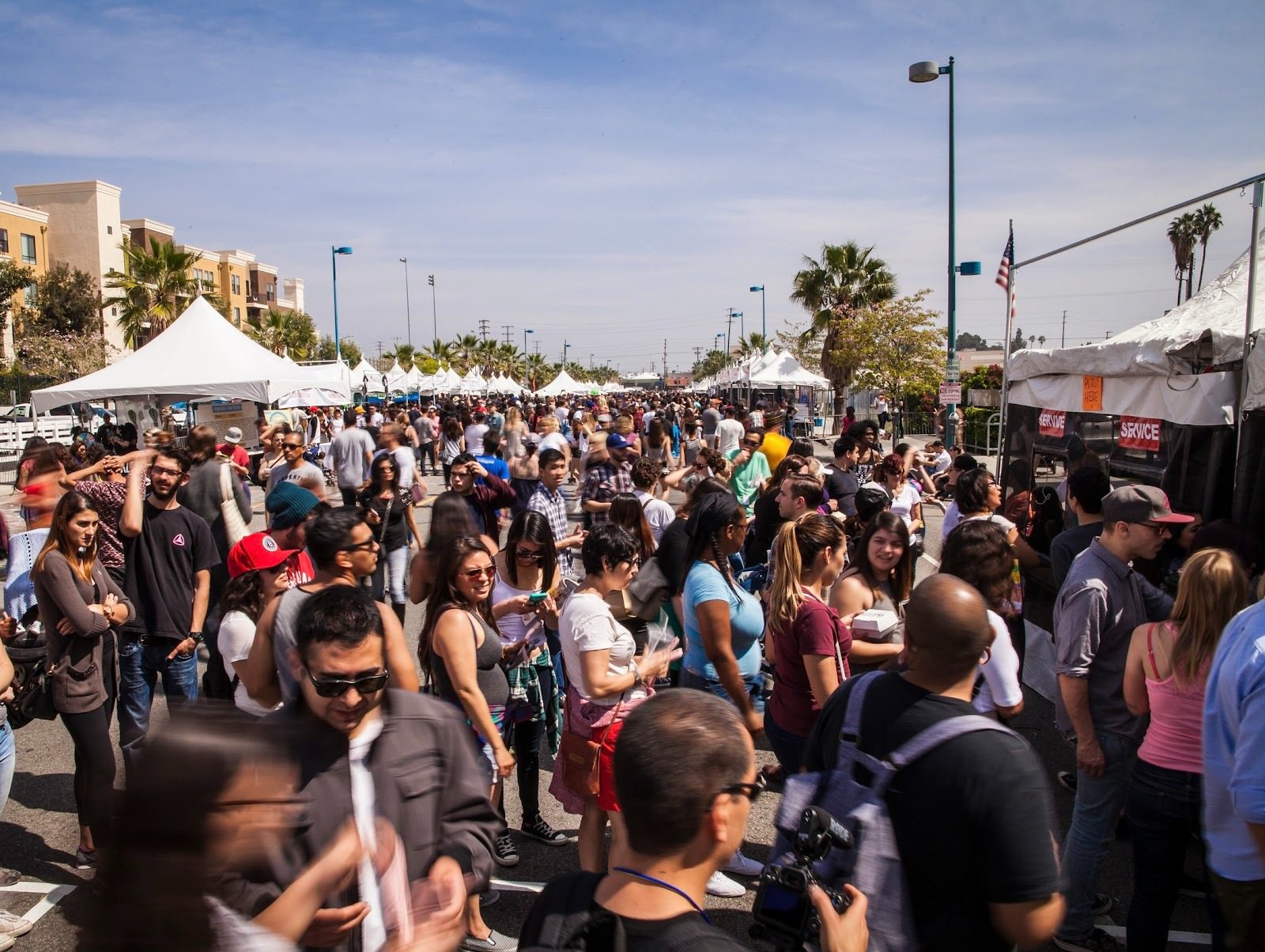
Los Angeles boasts an extensive network of permanent and seasonal farmers markets, which provide small producers with access to urban consumers and contribute to the development of local supply chains. Additionally, major vegan festivals (VegFest, SoCal VegFest, Vegan Street Fair, and similar events) regularly take place in the region. They serve as both gastronomic fairs and educational events, featuring workshops, lectures, cooking demonstrations, and exhibitions. Such events create demand and instill a culture of plant-based consumption in a wide audience.
While Los Angeles cuisine was long associated with diverse immigrant culinary traditions and fast food, recent decades have shown a rapid growth in the number of restaurants that are either entirely plant-based or offer high-quality plant-forward menus. Los Angeles is one of the most competitive markets for innovative vegetarian concepts. This is a business phenomenon: as demand grows, so do suppliers, culinary schools, and delivery services focused on plant-based products.
Los Angeles demonstrates a holistic approach to developing a vegetarian and plant-forward culture: scientific research, municipal and county policies, infrastructure, and the restaurant sector—all are interconnected. The result is not just a passing trend, but a systemic transformation of the food environment in a major metropolis that can lower emissions, improve public health, and support the local economy.
Infrastructure
The cultural dimension of the vegetarian movement in Los Angeles is evident in the hosting of specialized festivals and educational events. Annually, the city hosts SoCal VegFest, Vegan Street Fair, and the Plant-Based World Expo Los Angeles, which showcase the newest products, food technologies, and information on the ecological and ethical aspects of plant-based eating. These events are organized with the support of city administrations and health departments, including the Los Angeles County Department of Public Health.
The modern infrastructure supporting a vegetarian lifestyle in Los Angeles includes not only restaurants and markets but also educational programs in schools and universities, integrating lectures on healthy eating, plant-based cooking courses, and food safety research.
Furthermore, the city is implementing environmental initiatives, such as offering vegetarian options in municipal facilities and public feeding programs. Such initiatives help integrate a vegetarian lifestyle into the daily routines of residents and tourists.
Thanks to a combination of gastronomic innovation, cultural events, educational programs, and government support, Los Angeles is a global hub for the vegetarian movement. The city demonstrates how urban infrastructure and public initiatives can effectively support a plant-based food culture, ensuring a healthy, ethical, and sustainable way of life for a broad audience.