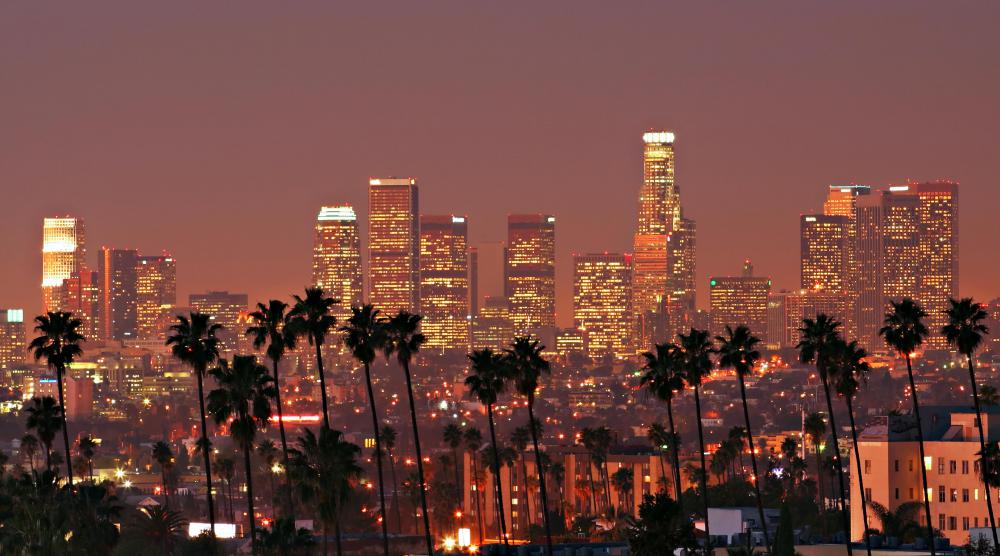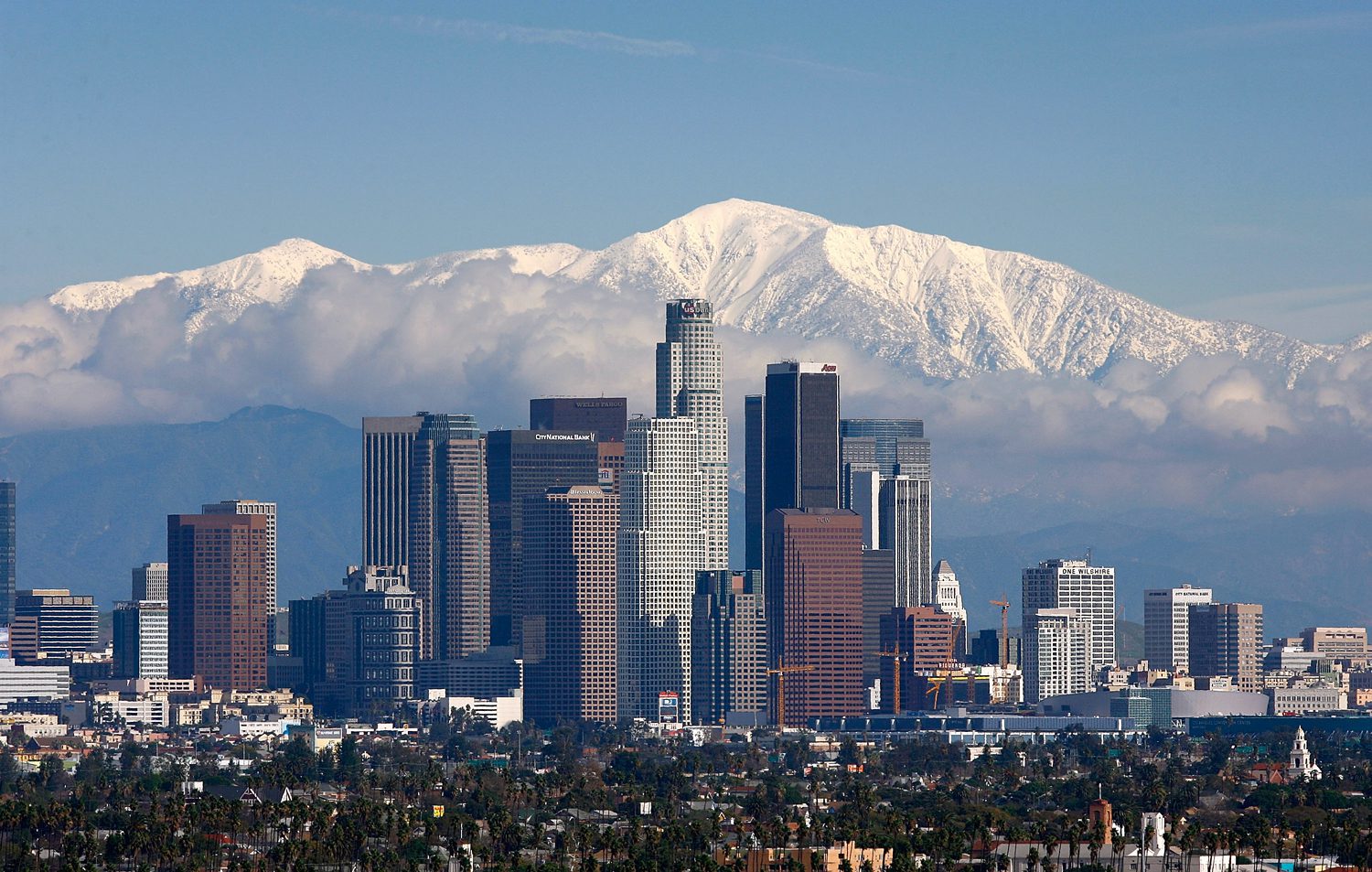

This city fascinates with wonderful landscapes, mountains and options for entertainment, walks and rest. Los Angeles was many times named among the most beautiful cities in the world. Thus, it is interesting to know more about the origin of its name, as well as about other nicknames. Read more about it on i-los-angeles.com.
City of Angels
It is interesting to talk about the origin of the well-known name associated with Los Angeles. It is used in films and TV series. Furthermore, it has been established between generations, reaching our days. The simplest explanation is the translation because, in Spanish, it means angels. Still, this is the history of the city, its inhabitants and the difficulties that arose on their way.
Los Angeles history and controversy
The official name, familiar to everyone, is based on the combined efforts of settlers from Mexico, Sonora, Spanish colonizers and Franciscan priests, all of whom moved to the region of southern California back in the 1700s.
They were met by a rich landscape of wetlands, forests and swamps. The first network of indigenous groups was created, for example, Tongva, which existed in the region for hundreds of years.
The main village of Tongva was Yaanga. It was prosperous due to the abundance of fish, fertile soil and located on the banks of the Los Angeles River. It is difficult to count the exact number of generations that have called this place their home. It was a land between the mountains and the ocean. There, people not only lived and engaged in everyday life but also created art and practiced religion. According to historians, the maximum number of people who lived in the region reached 10 thousand people in those times.
City of the Queen of Angels
After the arrival of the colonizers and missionaries, the Tongva people suffered hardships and diseases. Then, the land was no longer called Yaanga. The Spaniards gave it another name, El Pueblo de Nuestra Señora la Reina de los Ángeles or The Town of Our Lady the Queen of the Angels. The Spanish meant the Catholic figure of the Holy Virgin Mary. In 1785, the new name was used on maps. This confirmation was found by the historian Doyce B. Nunis.
Among other variations, it is stated that it was The Town of Our Lady the Queen of the Angels of the River Porciúncula. However, there are supporters of the fact that the historical name is simply shortened for easier pronunciation and better sounding.
Heaven on earth
The city tried to live up to the name City of Angels. Thus, throughout the 20th century, immigrants were attracted by the following:
- countless orange groves
- moderate climate, comfortable for living
- the opportunity to make a lot of money.
They focused on this in the aggressive promotions. The campaign turned out to be quite successful. It managed to attract thousands of people to the city. Such a flow enabled the city to further develop and move forward.
Los Angeles was inspiring. It was broadcast in movies, for example, the 1998 film City of Angels with Nicolas Cage and Meg Ryan. Viewers saw Los Angeles literally as a city of angels, where they protect mortals and interact with them.
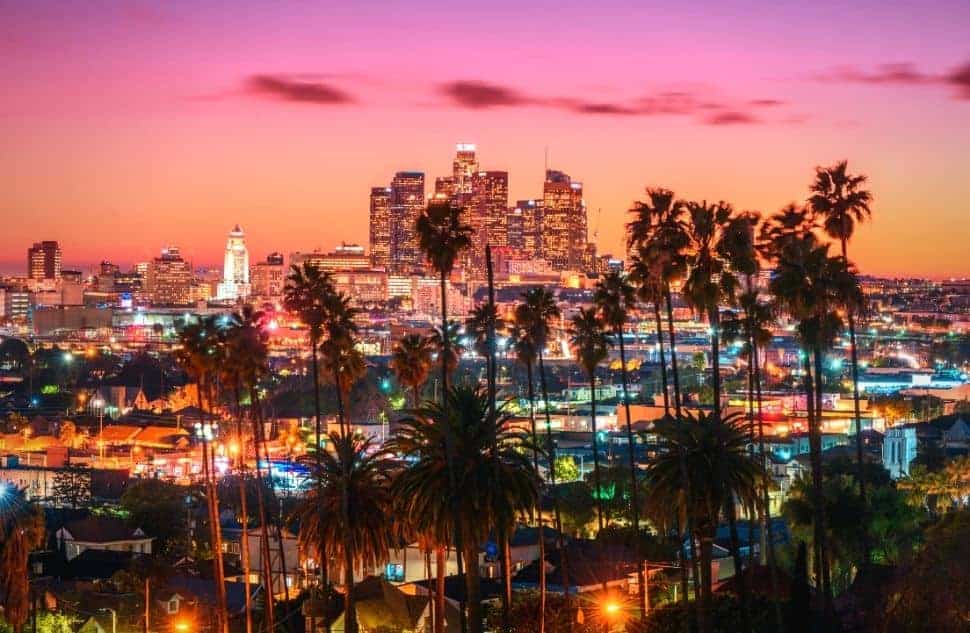
What other nicknames were there?
Los Angeles was not only called the City of Angels. From the 19th to the 20th century, the city was also called:
- Land of Eternal Spring
- The Wonder City of the USA
- Sunkist Skies of Glory.
However, the City of Angels remained the oldest nickname that best reflected the rich history of the city, which began with immigration, colonization, expansion and was associated with mythology.
Thus, the history of Los Angeles is interesting and diverse. It is desirable and useful to learn more about it.