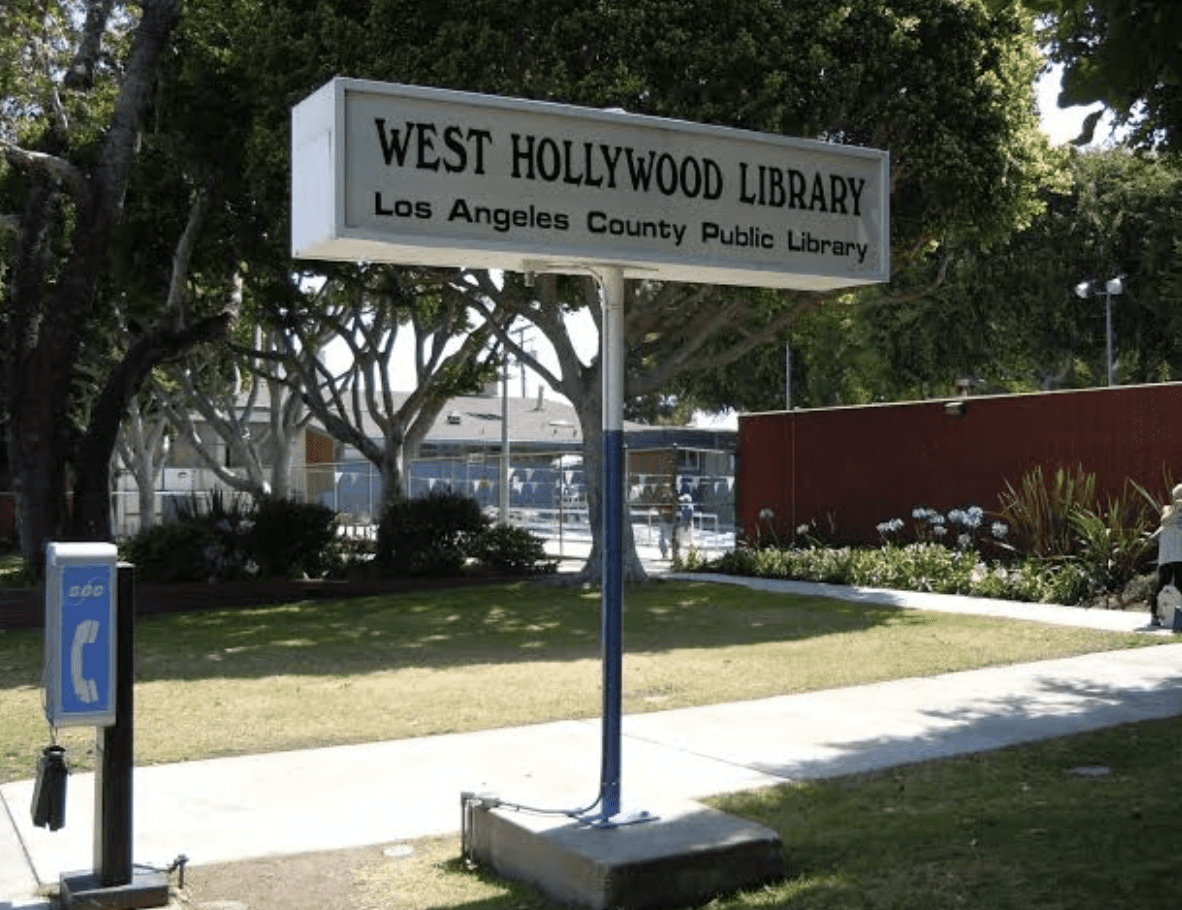

In the heart of West Hollywood stands a building that has become a symbol of modern public architecture and the city’s cultural life: the West Hollywood Library. It is not just a place for reading or studying but also a vital social and cultural hub that blends classicism, modernism, and a spirit of openness. More at i-los-angeles.
This library is more than just a repository of knowledge. It is a space where creativity, innovation, and community intersect. It hosts author meetings, lectures, artistic events, and educational programs.
From Concept to Reality
The idea for the library emerged back in 2004 when the city developed the West Hollywood Park Master Plan. This large-scale project included not only expanding the park but also creating a new library, public spaces, and athletic facilities. The library was the first step in realizing this vision—a symbol of harmony between nature, culture, and urban life.
The three-story, 48,000-square-foot building is a true example of architectural synthesis. Its design combines the restrained elegance of mid-20th-century California modernism with the expressive baroque decorativeness characteristic of older California buildings. The architects created a structure that looks contemporary while also paying homage to the region’s history. Its soft colors and calm palette contrast with the bright neon lights, design shops, restaurants, and nightclubs that surround it.
The library project received LEED Silver certification from the U.S. Green Building Council, signifying its compliance with international standards for sustainable development. Energy-efficient technologies, natural lighting, and thoughtful ventilation help minimize the building’s environmental impact.

The Library’s Functionality
The West Hollywood Library is more than an architectural object. It is an example of how a library can become a living element of the urban landscape, supporting culture, innovation, and social integration. Located adjacent to the park, the library is fully integrated into the urban space. Its large panoramic windows offer views of the city and the Hollywood Hills, creating a sense of openness and connection with the outside world. The interior space is meticulously planned.
The library features:
- Reading rooms and lounges;
- Technology-enabled work areas;
- Group study and tutoring rooms;
- A career development center;
- A children’s library and theater;
- A teen center and multipurpose rooms;
- A sidewalk cafe, bookstore, and even a television station.
The library occupies the two upper floors of the three-story complex. The main second floor is on the same level as the park and, simultaneously, one level above San Vicente Boulevard. This design allows for convenient access from both the green space and the main city artery. The library’s first level houses the reception, children’s area, teen zone, career center, computer area, and a community room. The top floor is dedicated to the collections—fiction, non-fiction, reference, and special collections. The building’s ground floor is used for maximum functionality: it includes a vehicle drop-off area, underground parking for 90 cars, a loading dock, and even a coffee shop that opens onto San Vicente Boulevard. It has become a popular spot for library visitors and neighborhood residents to relax.
The library complex also includes a five-level parking structure built of cast-in-place concrete, with space for 400 vehicles. Its roof features tennis courts and landscaped recreation areas, organically continuing the theme of integrating public spaces into the urban landscape. This is not just an example of architectural thinking but also a thoughtful approach to urban functionality—the library transforms into a place for meetings, active leisure, and learning. Thus, the library has become a center for community interaction, inspiration, and creativity. This space attracts not only readers but also artists, students, filmmakers, and residents seeking inspiration in the harmonious blend of history, modernity, and architectural aesthetics.

Interiors Filled with Light and Playfulness
While the library’s facade is restrained, its interiors are an explosion of color and energy. Visitors are greeted by a spacious lobby with a curved staircase that doubles as a public amphitheater. The second floor houses a children’s theater. From the outside, it resembles a wooden packing crate, referencing the experiments of Frank Gehry. Inside, however, it is a colorful replica of Michelangelo’s Laurentian Library in Florence. This contrast aptly captures the ironic spirit of 1970s–1980s California postmodernism.
Above the main staircase hangs a “White Coral Tree,” an exquisite art piece by David Wiseman, which evokes the fragility of nature amidst urban concrete. In the reading rooms, ceilings feature bamboo panels forming a pattern of petals and leaves. They simultaneously echo classical 18th-century ceilings and demonstrate the capabilities of 21st-century digital design.

A Community of Interests
Since its inception, The Friends of the West Hollywood Library has taken on the mission of supporting the library’s development, expanding its resources, and creating new opportunities for the community. The organization raises funds to finance initiatives that fall outside the library’s budget. Thanks to this support, educational and cultural projects for both children and adults are realized. These include:
- Summer reading and discovery programs;
- Early literacy courses;
- STEAM events;
- Themed lectures and film screenings;
- Acquisition of new books, equipment, and materials.
They also organize public programs, such as author meetings, creative performances, solo shows, and dance troupe performances. Popular events include “Authors in Conversation,” where renowned writers discuss their works, and “Patt Morrison in conversation with Larry Mantel,” which gathers the intellectual public of Los Angeles. Such initiatives help the library remain a center for dialogue and creative development, where everyone can find something to connect with—from literature to contemporary art.
Over the years, The Friends of the West Hollywood Library has earned numerous accolades. In 2018, the organization received the West Hollywood Creative City Community Service Award, and a year later, the Literary Partnership Award from the Jacaranda Foundation. The organization is funded through membership dues, tax-deductible donations, its bookstore, and online sales.
Since its opening, the West Hollywood Library has become more than just an architectural landmark; it is a true center for intergenerational interaction, where adults and children, artists and academics, residents and visitors find inspiration, support, and a sense of community. It is a place where ideas come to life, and culture becomes accessible to everyone. Over the years, the library has earned a special place in the hearts of local residents.
