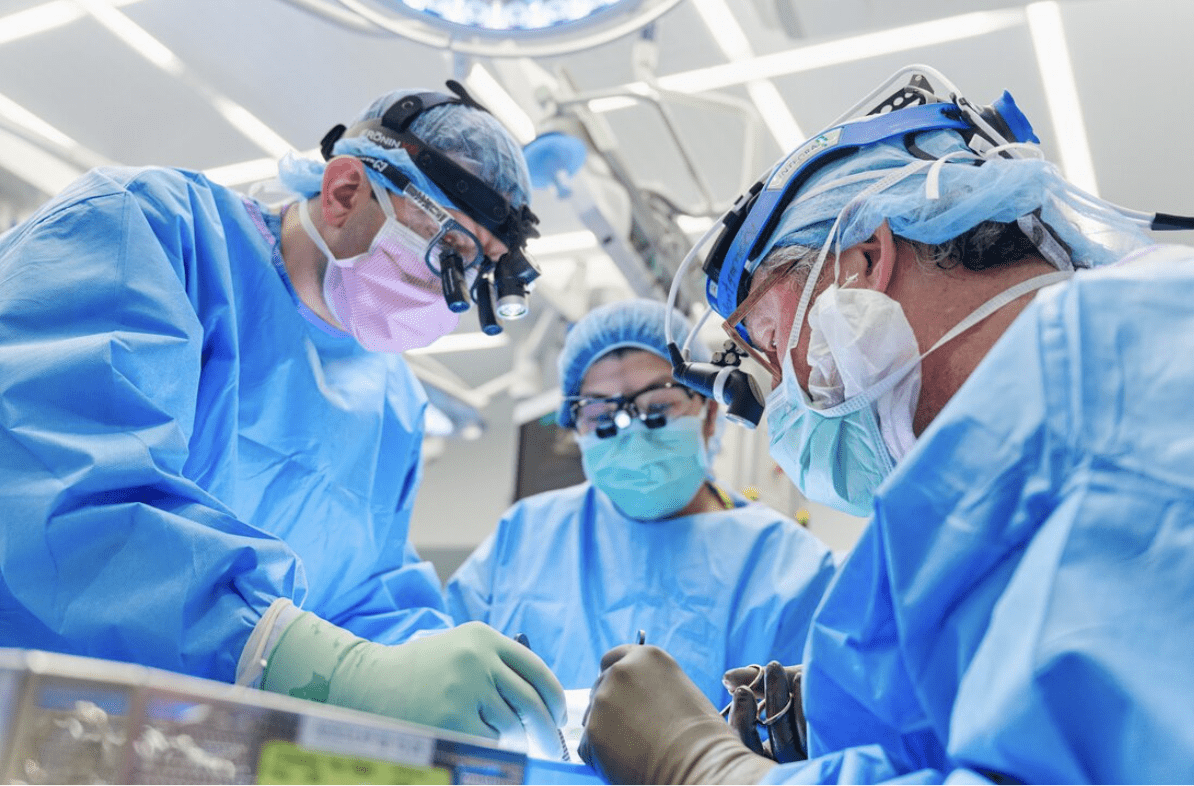

Heart transplants are no longer considered experimental operations, and they can save people’s lives. The Cedars-Sinai transplant program is one of the most powerful in the world, with successful outcomes, low waiting list mortality and an emphasis on novel and advanced approaches to heart failure and transplantation. You may also discover more about how L.A. Care health insurance works. Find out more at i-los-angeles.
History of transplantology
The first heart transplants occurred in the late 1960s. A transplant gives people who would otherwise die of heart failure a chance at life. Among the most prevalent cardiac conditions that can result in a heart transplant are coronary heart disease, heart muscle disease and idiopathic cardiomyopathy.
The Cedars-Sinai Heart Transplant Program provides comprehensive medical and surgical care to meet each patient’s specific needs. Following the transplant, hospitals closely monitor patients as part of the program. This includes monitoring endomyocardial biopsy results as well as immunosuppressant levels. Doctors at Cedars-Sinai Medical Center follow up with patients after transplants to record and report heart transplant survival rates. Cedars-Sinai surgeons were the first in California to use a portable artificial heart. This technology has the potential to extend the life of a patient awaiting transplantation. Furthermore, surgeons at Cedars-Sinai were among the first in the United States to employ the revolutionary heart transplant surgery procedure. This approach involves transplanting the complete donor heart, not just a portion of it. This is more complicated than the traditional procedure and takes more time and skill. The new approach has improved the function of the transplanted heart, particularly in the first few months following surgery. Researchers are also aiming to create a more efficient and specialized drug that inhibits the immune system in order to combat organ rejection and improve the performance of artificial hearts.
In 2017, the National Institutes of Health funded Cedars-Sinai Medical Center with $10 million to conduct research on the genetic and immunological origins of heart disease. IBD sample repositories have been established at Cedars-Sinai since 1992. In addition to ongoing funding from the biobank, four research projects were financed to investigate new concepts in genetics and the interaction between the microbiome and the immune system.

Competition between hospitals
Cedars-Sinai Medical Center performed 78 heart transplants in 2010. However, Cedars-Sinai was not the leader in cardiology. Cedars-Sinai Medical Center in Los Angeles competed with UCLA, which has one of the largest heart transplant programs in the United States. Other competitors were Loma Linda University Medical Center, USC and Children’s Hospital of Los Angeles.
However, Cedars Sinai Medical Center has never been competitive in terms of operating costs. By 2010, Cedars Sinai became the second most expensive hospital in the United States. Despite the high costs, patients, particularly the wealthy and famous, came to the medical institution for treatment. Heart transplants were in low demand as compared to other surgical procedures. Health tourism has also gained popularity. Patients traveled all over the world to find the greatest treatment at the best price. Those who required organ transplants were especially eager to seek treatment abroad. In Los Angeles, transplant tourism has presented a unique challenge to the local healthcare system. Approximately 40% of transplant tourists in the first decade of the twenty-first century came from California.

Heart transplant procedure
Before being considered for a heart transplant, patients must go through extensive testing, which includes multidisciplinary physician evaluations, blood tests, dental checks, photographic scans, psychological testing, social work assessment and a complete cardiac examination. If the heart transplant team at the medical center determines that a patient is a candidate for a heart transplant, they are added to the national waiting list. Donor hearts are supplied by UNOS and the regional donor procurement organization. One Legacy is the name of the organization in California that acquires heart donors. Donors must be of the suitable blood type and have the same heart size.
The transplant time might range from a few days to several years, depending on the patient’s condition and the availability of compatible organs. If no difficulties arise following the transplant, the patient will spend one to three days in the intensive care unit and twelve to seventeen days in the hospital’s cardiology department. After discharge, rehabilitation takes six months and patients should not return to work for four months. Mandatory examinations at the Cedars-Sinai Heart Institute are performed monthly for the first year after transplantation, progressively decreasing to annual checkups after twenty-four months.
Transplantation is a high-risk and costly operation. The greatest risk is rejection, which occurs when the patient’s body rejects a foreign organ. Antigens on the organ surface alert cells in the patient’s body to the presence of a new organ, resulting in an immunological reaction and rejection. The approach, created by doctors, surgeons and researchers at Cedars-Sinai, considerably minimizes the quantity of antigens. This reduced the risk of rejection and improved recovery. This approach enabled Cedars-Sinai to do many more heart transplants as the necessity for close compatibility between donor and recipient was reduced.

Alternative to heart transplantation
The heart transplant center also offers “bridge to transplant” programs, which include implanting a mechanical device before transplanting the donor’s heart organ into the human body. The hospital offers two mechanical devices. The Ventricular Assist Device (VAD) is a less invasive mechanical pump that is implanted in the human body. It aids the heart in pumping blood throughout the body when it is weak. Ventricular assist devices can be used as a bridge to transplantation or as a long-term treatment for people who are not eligible for transplantation. An artificial heart is a more invasive treatment option for patients who are waiting for a donor heart. This is a mechanical device that is intended to fully replicate the human heart. There are two kinds of mechanical hearts. Dr. Robert Jarvik invented Jarvik 7, which serves as the foundation for Syncardia. The Syncardia mechanical heart is implanted in the human body, with tubes connecting it to the power supply. The power supply must always be with the patient and might be powered by electricity or portable batteries. The mechanical heart Abbcor is the second device, and it is fully implanted in the patient’s body. The Abbcor mechanical heart may operate for up to 19 months. Dr. Jack Copeland performed the first mechanical heart surgery in 1985, and since then, over 1,500 mechanical hearts have been transplanted around the world.
