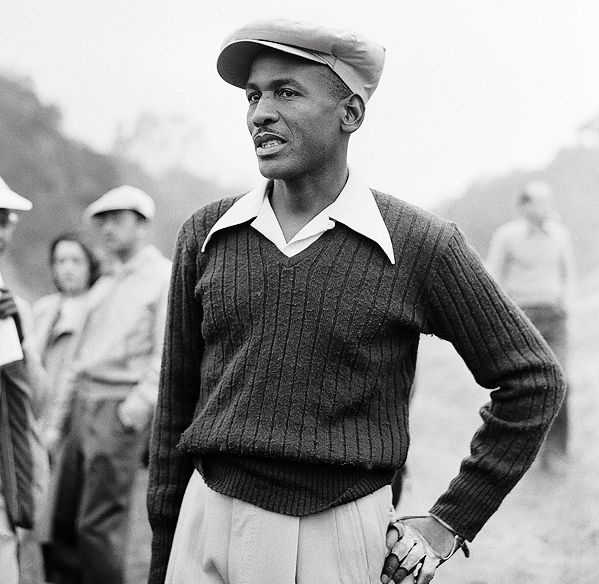

In the early 20th century, a young black man did not have many opportunities for development. At that time, racial discrimination was manifested in various areas. Sports was no exception. However, Bill Spiller did everything possible and impossible to ensure that he and his fellow players did not feel any pressure because of their skin color. Read more about the success story of basketball player James Harden on i-los-angeles.
Biography
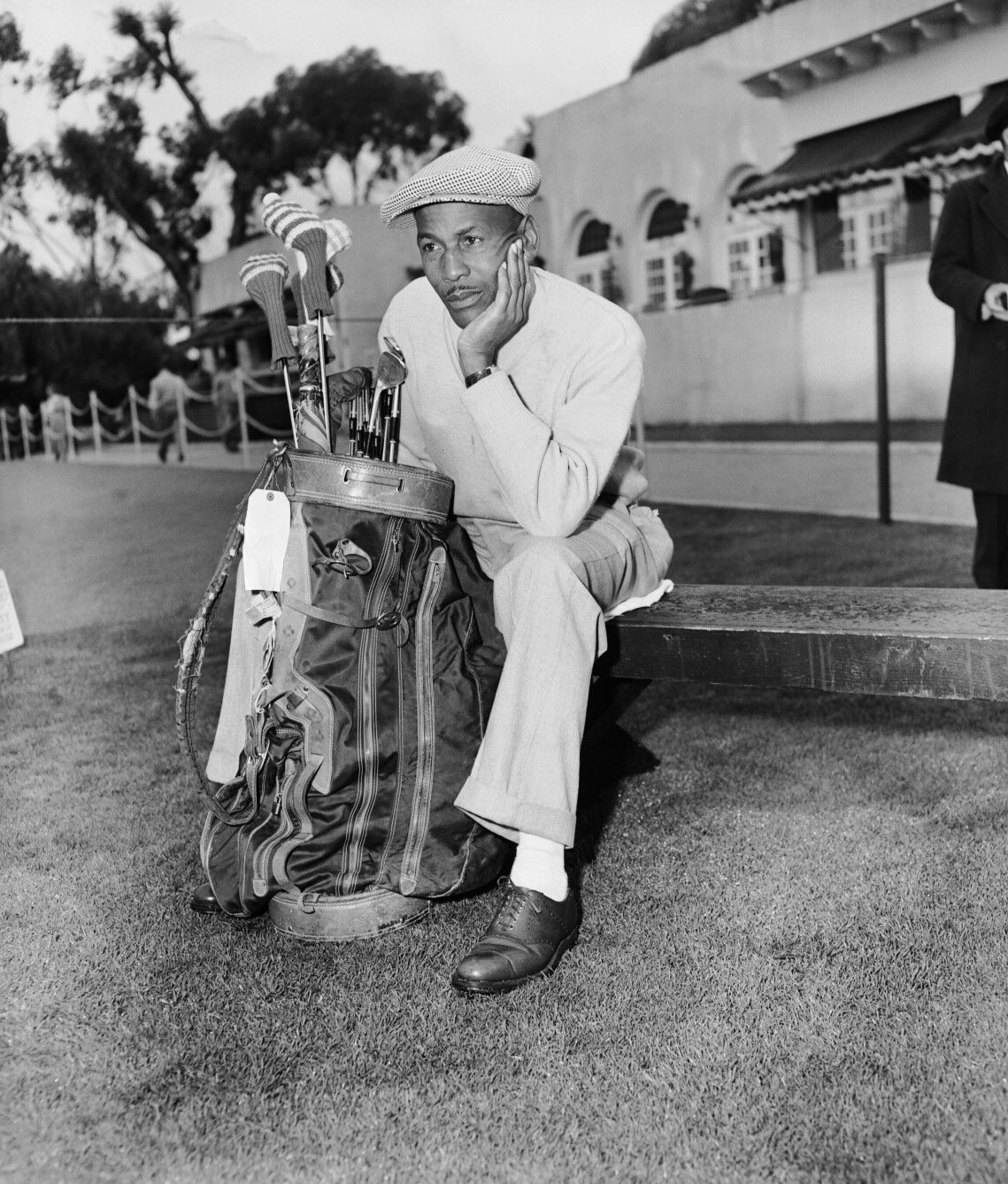
Spiller was born in Tishomingo in 1913 and spent his high school years in Tulsa. He was educated at Wiley College. It was an all-black school in Texas. The only position he could get was a teacher for 60 dollars a month. The man decided to move to LA and got a job at Union Station. It paid good money, and a colleague introduced him to golf.
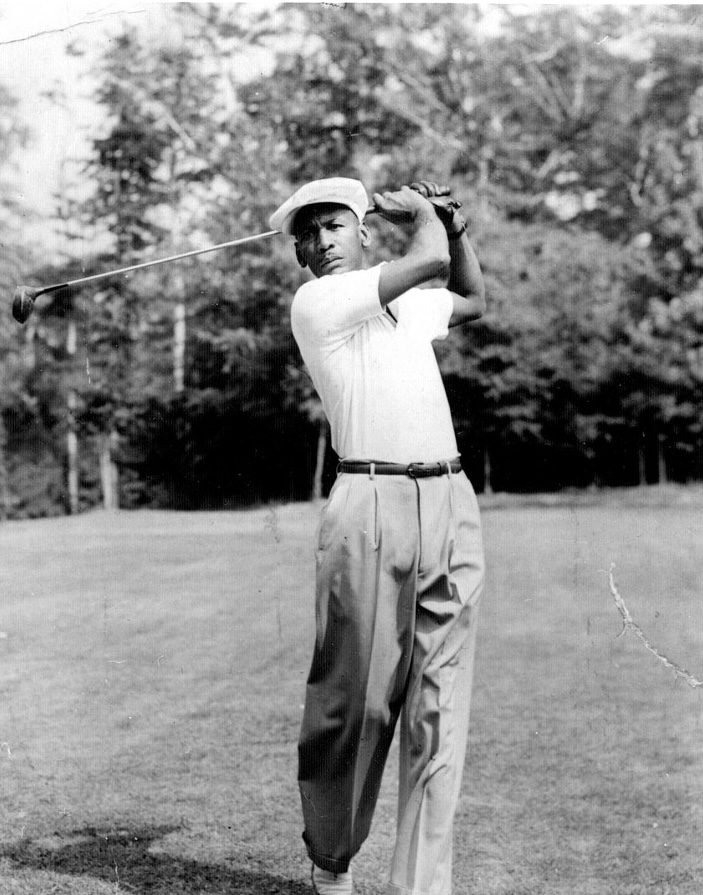
Despite a late start in his career, he was 29 years old, in just three years he was able to compete with such athletes as Ted Rhodes, Howard Wheeler, Zeke Hartsfield and all the other top black golfers.
Fighting for equality
After working the night shift, Spiller qualified for the 1948 LA Open, one of two events on the Tour at the time. The Tour rule back then was that the top 60 finishers in a tournament automatically qualified for the next official event. Based on their performances at the LA Open, Spiller and Rhodes were qualified to compete.
However, they never started. After playing a practice round in Richmond, on the northern edge of the San Francisco Bay Area, Spiller and Rhodes were informed that because they were not members of the PGA of America, they could not play. They were not members as the association had a clause in its constitution that included racial discrimination.
Spiller was inspired to do something about it. He found a Bay Area attorney, Jonathan Rowell, who handled discrimination cases. Rowell filed a lawsuit on behalf of Spiller, Ted Rhodes and Madison Gunter, a local amateur who had made the qualifying round, against the PGA for $315,000. This was the first time anyone had challenged the PGA on this issue, and the association changed its position.
A PGA lawyer allegedly met Rowell by chance on a train to LA. He said that if the lawsuit was dismissed, the PGA would no longer discriminate against blacks in open competitions. The PGA then suggested that tournament sponsors label their events as Open Invitationals. But Spiller spent the next 4 years with his family and played only amateur golf.
More lawsuits
Then another career opportunity came along. B. Spiller and Eural Clark were invited to the inaugural San Diego Open in 1952. Horton Smith, a notorious racist who had won the Masters several times, was the newly appointed president of the PGA. He told the tournament committee that no blacks would be allowed to play, including Spiller.
Then Spiller again appealed to the judges to get justice. The PGA agreed to allow black players invited by tournament committees to compete with other athletes. But nothing really changed. They still didn’t want to open the door to the participation of athletes of different races. Then Spiller qualified, Clark didn’t.
Spiller played in 10 tournaments on the 1952 Tour, all on the coasts. Demaret and others on their side told blacks to avoid southern tournaments. They did so until Sifford started playing three years later. By this time, Spiller was past his prime as a player and had only participated in a handful of events in the 1950s.
During the meeting, Braverman asked why Spiller did not play or at least teach golf. Spiller explained the limited access of blacks to the Tour and the virtually nonexistent job opportunities at golf clubs. Braverman suggested that Spiller tell Stanley Mosk, California’s attorney general, about this. Mosk informed the PGA that if they did not amend their regulations, they would not be able to hold tournaments at state competitions in the state. The PGA said it would only use private courses. Mosk said he would also stop that, including the 1962 PGA Championship. Mosk also contacted state attorneys general across the country and asked them to follow suit. Almost all did, and in November 1961, the restrictions were lifted.
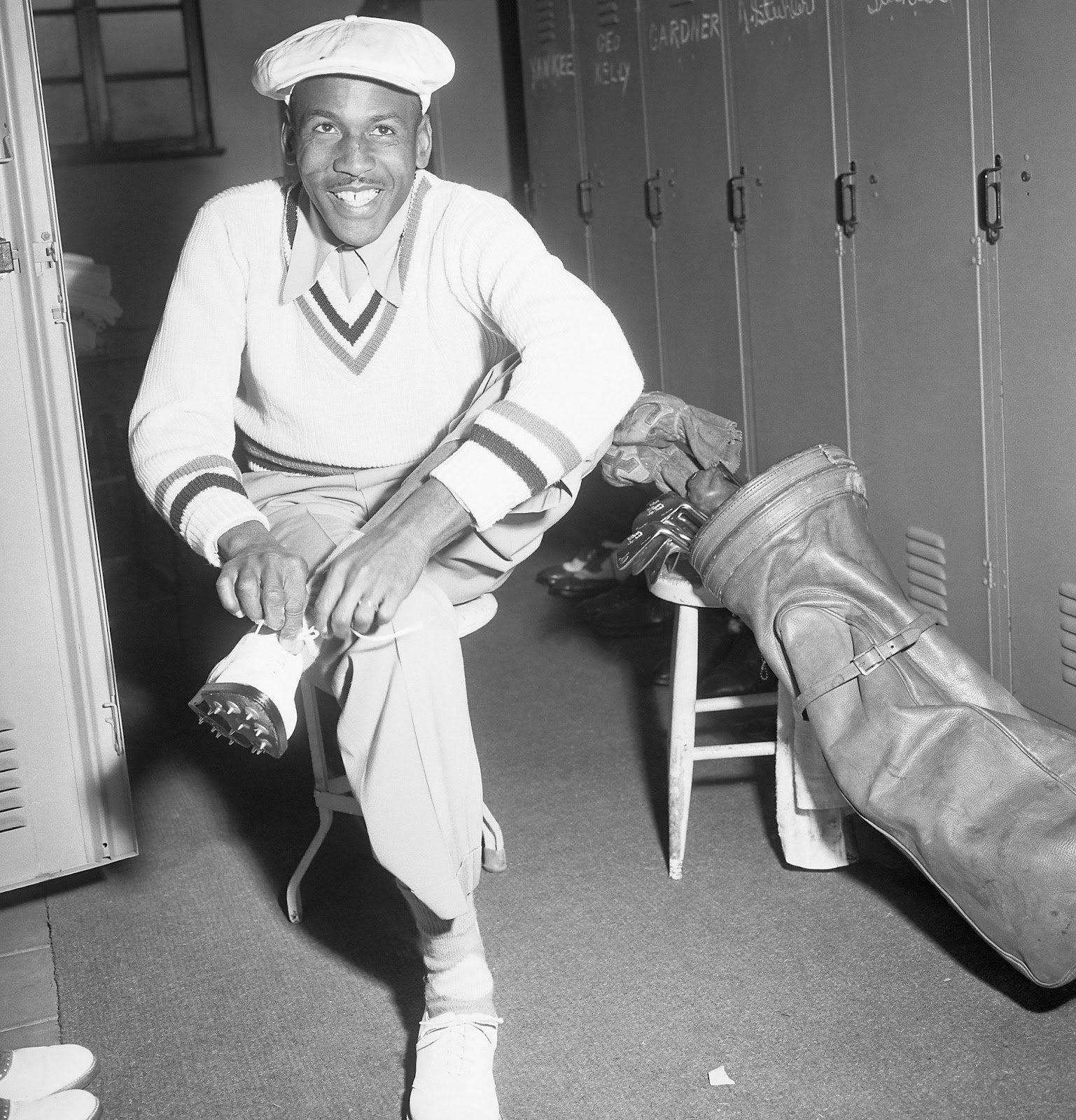
At the time, Spiller was 48 years old and simply could not keep up with the tournament players. His best result on the PGA Tour was 14th place in a Labatt Open in Canada. Ironically, it could even be said tragically that for the next 27 years he never became a member of the PGA as he could not fulfill the five-year requirement to become an assistant professional. No one would hire him, not even the public courses in LA. He was considered too problematic.
B. Spiller passed away at the age of 75 in 1988. For the rest of his life, he was frustrated by his inability to prove himself in golf at the highest level simply because he was black. He was posthumously granted membership in the PGA only in 2009 and was inducted into the Oklahoma Golf Hall of Fame in 2015. His son has repeatedly emphasized that his father would have wanted to receive these honors during his lifetime and know that his struggle was not in vain.