

Dr. Michael Gottlieb not only discovered the first cases of AIDS but also was an active defender of patient rights. He was engaged in advocacy, working with communities. More about the famous Rutgers University alumnus and his research will be told by i-los-angeles.
Michael Gottlieb
He was born in 1947, lived in the state of New Jersey. In 1965, he graduated from Rutgers Preparatory School. In 1969, Michael Gottlieb graduated from Rutgers University in New Brunswick, earning a degree in biological sciences.
In 1973, he graduated from the School of Medicine and Dentistry and completed a specialization in internal medicine at Strong Memorial Hospital in Rochester. This was followed by studies at Stanford University in California and specialization in immunology.
In 1980, he took up the position of Assistant Professor of Medicine at the University of California, Los Angeles School of Medicine, and later began teaching there.

Discovery of the First Cases of the Disease
In 1980, immunologist Michael Gottlieb increasingly heard about young homosexual men in Los Angeles who were seriously ill. They shared symptoms such as a rare form of pneumonia caused by the fungus Pneumocystis carinii (now P. jirovecii). It is known that this fungus affected only those patients who had a weakened immune system. Immunologist Michael Gottlieb investigated the medical histories of five men who were not acquainted with each other. It was also surprising that these patients had been in good health until their condition suddenly worsened.
At the time of the investigations of the first AIDS cases, Michael Gottlieb led a team to write alarming conclusions and submit them to the Centers for Disease Control and Prevention. Thus, on June 5, 1981, the results of this team’s work were published in a newsletter for medical professionals called “Morbidity and Mortality Weekly Report.”
In the article “Pneumocystis Pneumonia – Los Angeles,” the author used many technical terms (dyspnea, leukopenia, esophageal candidiasis), but only after some time did society understand the true meaning of this work. This article became the world’s first documentary account of AIDS.
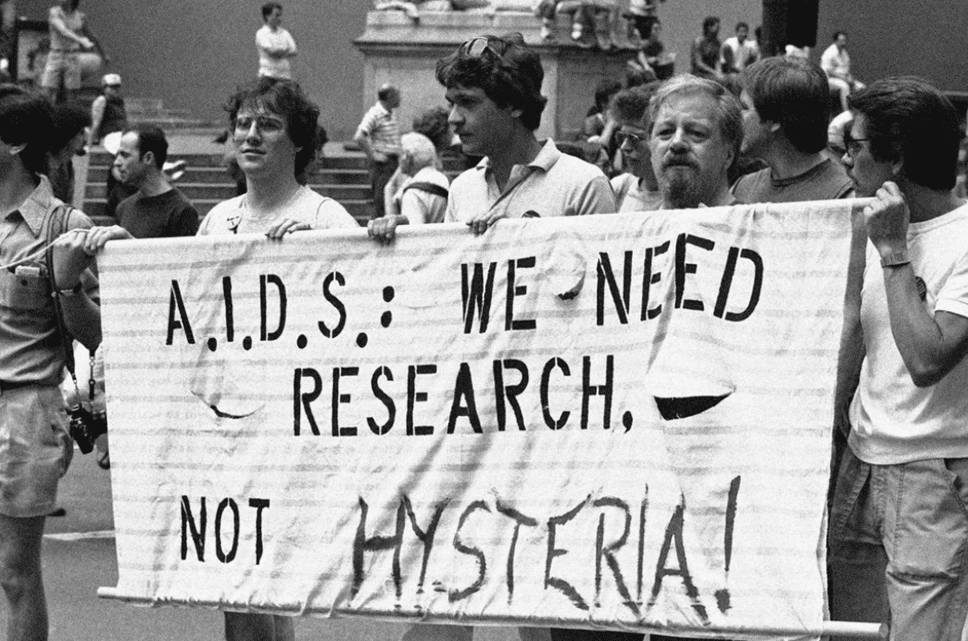
After this work, Michael Gottlieb published his next article in the “New England Journal of Medicine.” He suggested that a virus might be the cause of the mysterious disease. Two years later, virologists identified it as HIV, confirming Michael Gottlieb’s theory. And then it was time for the first report on the AIDS epidemic. He recalled this moment when his career underwent rapid changes. It was then that, in addition to his research career in immunology, he began to engage in advocacy. He was concerned about the communities affected by AIDS.
Official Beginning of the AIDS Epidemic
As already noted, the date of Michael Gottlieb’s report is June 5, 1981. This date is considered the official beginning of the AIDS epidemic. After conducting studies, Michael Gottlieb found infections in sperm, not in urine. This led him to assume that seminal fluid was the means of transmission.
For a long time, AIDS was considered exclusively a disease of gays. This was not entirely true. Activists in the 1980s and 1990s conducted information campaigns, thanks to which it was possible to reduce the number of patients. Studies conducted in 2001 showed that these numbers began to rise again. According to modern research, 9 out of 10 cases of HIV patients are men, women, and children from developing countries.
Public Awakening
Michael Gottlieb became the one who helped the public wake up and understand what the consequences of AIDS could be. At that time, a loud story in Hollywood was the news of actor Rock Hudson’s illness. He was associated with courage and strength, had a well-recognized heterosexual image. In 1985, the physically exhausted actor appeared before the public and media to announce his illness. Everyone was shocked that their favorite was sick with AIDS and dying. His doctor was Michael Gottlieb.
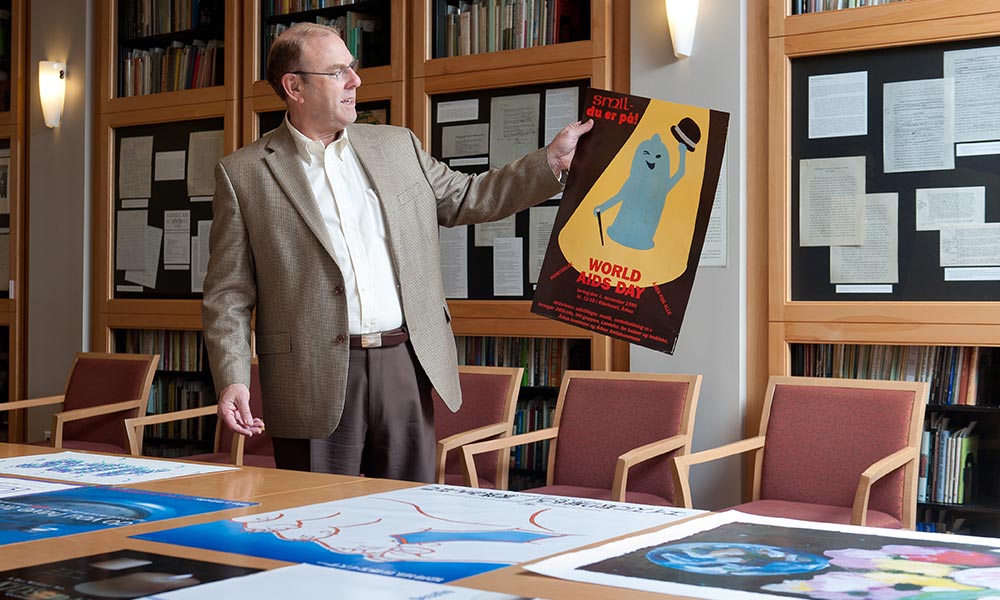
All attention shifted to him. It is worth noting that at this time he collaborated with the actor’s close friend Elizabeth Taylor, as well as with other famous Hollywood figures. Through joint efforts, the American Foundation for AIDS Research was created, and Michael Gottlieb became its co-chairman.
The man expressed indignation that the Reagan administration was doing too little to contain the epidemic. Patients dying from the terrible disease were often abandoned to their fate. This prompted Michael Gottlieb to become an active defender of such people in the political arena. The authorities could no longer ignore this persistence and public interest, so a time of change and action, not just words, began.
American Foundation for AIDS Research
The main founders of the fund in September 1985 were Michael Gottlieb, Elizabeth Taylor, and Mathilde Krim. The organization was founded thanks to a generous donation of $250,000 from Rock Hudson’s heirs. The organization was created by combining Elizabeth Taylor and Michael Gottlieb’s National AIDS Research Foundation from California with Mathilde Krim’s AIDS Medical Foundation (AMF) from New York. As a result, a fund emerged whose priority was research and development. Its activities also influenced politics. It became one of the first to successfully combine important aspects in the field of healthcare.
Currently, it is a well-known international non-profit organization specializing in supporting AIDS research, HIV prevention, as well as providing education on treatment issues and advocating for public policy related to AIDS. The fund’s headquarters are located in three places: New York, Washington, and Bangkok.
The institution fully stimulates research and development, provides grants to individual researchers and organizations. The fund provides scholarships to scientists at the beginning of their careers, for example, Mathilde Krim fellowships for basic biomedical research.
A Chance for Life
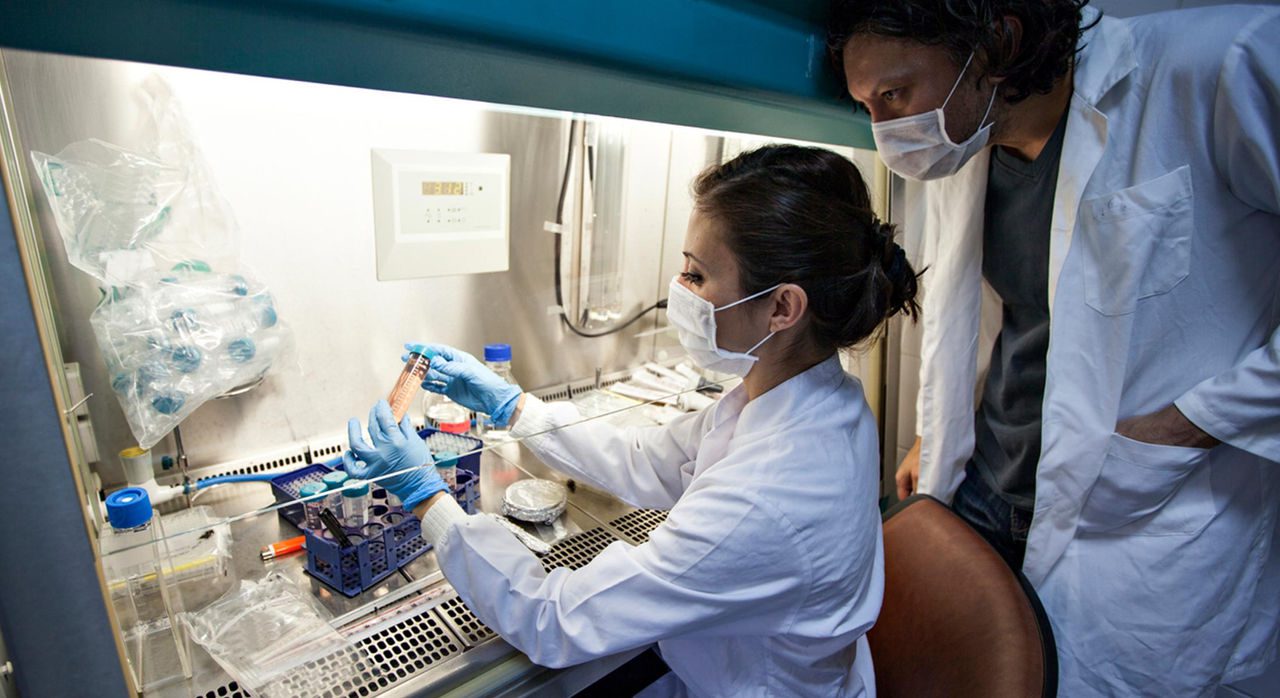
Previously, HIV/AIDS sounded like a death sentence for patients. Over the past decades, this has changed thanks to the efforts of Michael Gottlieb and others, for example, another scientist David Ho. Subsequently, the diagnosis turned into a predominantly chronic disease. If patients have access to the right medicines, then they truly live long lives.
Michael Gottlieb does not stop there; he continues to treat patients in his medical practice in Los Angeles. The man continues to teach at the David Geffen School of Medicine at the University of California, Los Angeles.
It seems that Michael Gottlieb has enough energy and determination for everything. For example, he continues to work with groups advocating for the rights of people with AIDS, focusing on Africa, where people do not have access to proper care.
On the website of the state research Rutgers University, the largest higher educational institution in New Jersey, an article dedicated to Michael Gottlieb’s work has been published. He is a well-known alumnus of the institution, who in interviews has also repeatedly recalled this place. He said that his experience and knowledge gained at Rutgers University helped him with the work he did. For example, during his studies, he attended more humanities courses, and after the start of the AIDS epidemic, he could no longer stay away from social and political issues.