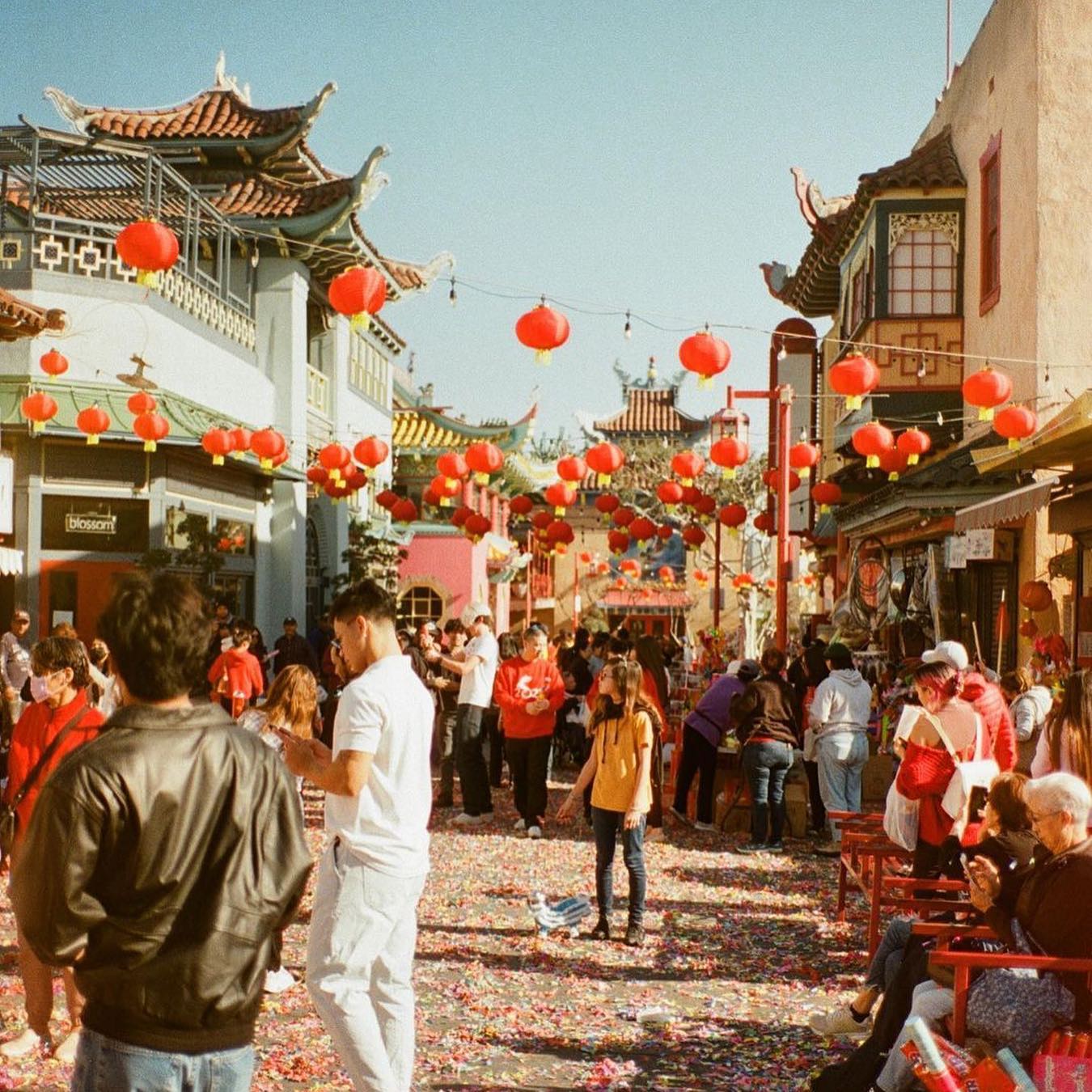

It’s a lively L.A. neighborhood that often appears as a setting for a Hollywood production. A notable example is Rush Hour, featuring Jackie Chan and Chris Tucker, though the list of similar films would be endless. It’s intriguing to explore the rich history of this ethnic district in L.A., which has long been a key entry point for immigrants from various backgrounds. For more insights, check out the i-los-angeles.
The very first mentions
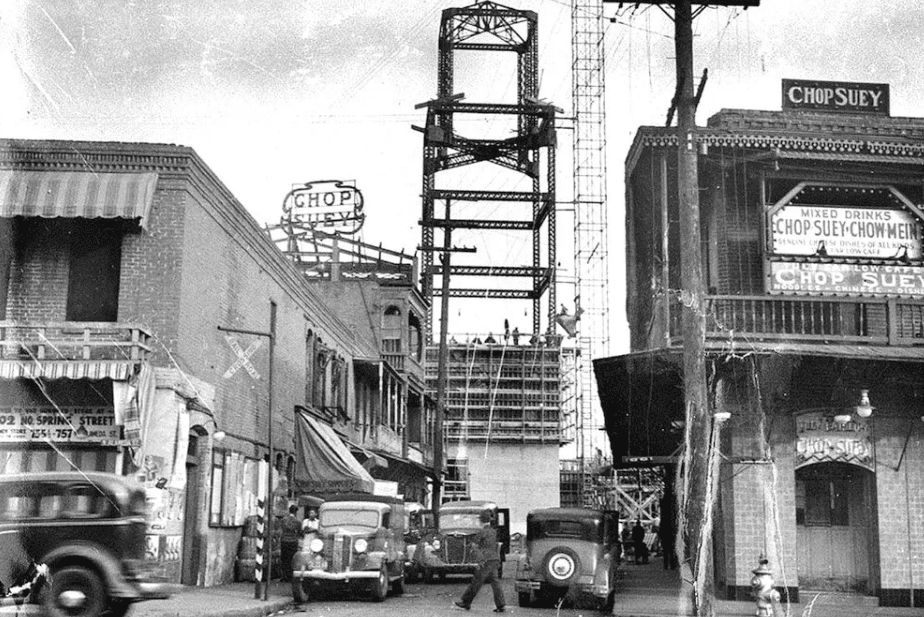
Historical documents indicate the year 1852. It’s thought that this was when the Chinese first started being documented in L.A. By 1870, Calle de los Negros had become the site of the original Chinatown. Historically, China was undergoing a period of rapid population growth. Consequently, this led to a deficit in both food and land, as well as poverty within the local community. That is what prompted numerous Chinese to move to the U.S. The gold rush period was especially appealing, as it offered opportunities for immigrants to find work in California’s mines and agricultural sectors.
There were other immigrant neighborhoods alongside the original Chinatown. For instance, there was Tokyo, Little Italy and the French Colony, to name a few. What set these neighborhoods apart was that they had the highest class of citizenship among the surrounding areas. It’s interesting to mention that by 1870, Chinatown had around 5,000 inhabitants.
Furthermore, the history of the Golden Dragon Parade in L.A., originally called La Fiesta de Los Angeles, is closely linked to Chinatown.
Challenges faced by the Chinese neighborhood
The challenges faced by the Chinese were considerable and deserve a closer look.
In the 1880s, Chinese immigrants were denied the right to become U.S. citizens due to the Federal Chinese Exclusion Act. It was remarkable that L.A. originally had roughly 300 Chinese inhabitants, but by the 1880s, that figure had surged to around 300,000.
In 1913, a law went into effect that made it illegal for Chinese immigrants to buy land.
The peak period of the original Chinatown took place from 1890 to 1910. In those years, Chinese immigrants established their own newspaper, an opera house, a telephone exchange, temples and other amenities. In all, 15 streets were included in this lively neighborhood. The neighborhood kept growing, impressing others with the hard work and perseverance of its inhabitants.
Another challenge that contributed to the decline of this area was when a wealthy entrepreneur acquired 25 acres of land in the vicinity. In 1914, L. F. Hanchett, a capitalist from San Francisco, initially aimed to construct a series of warehouses in place of the original Chinatown. However, he later revised his proposal in hopes of securing the rights to build a railway station instead.
The challenges persisted as Chinese immigrants worked hard to build their futures and strive for better opportunities. This lasted until 1931 when the Supreme Court ruled to condemn Chinatown. In its stead, Union Station was permitted to be constructed on Calle de los Negros, causing Chinatown to move to a new location.
All structures were demolished except for the Garnier Building, which currently serves as the Chinese American Museum. Consequently, an area was created for the highway.
New Chinatown
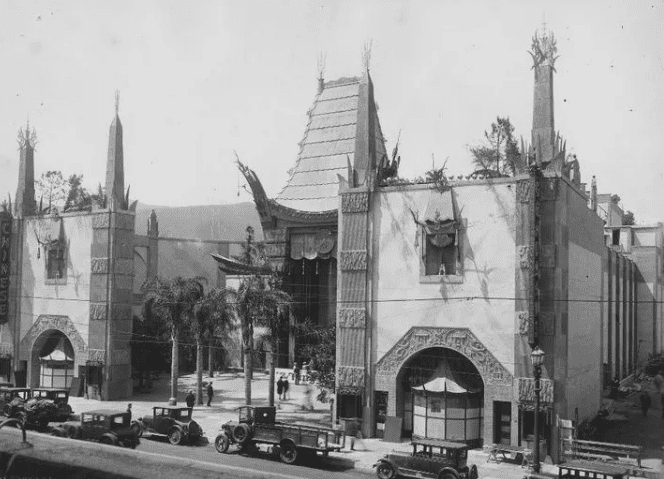
The opening ceremony occurred in 1938 in downtown L.A., between historic Broadway and Gill Street. The key figure behind this event was Peter Soo Hoo, who played an essential role in its success. Born in 1899, he made history as the first Chinese-American engineer in the Department of Water and Power after completing his higher education. Peter Soo Hoo managed to enter into a partnership with the white American agent, enabling him to obtain land for the development of New Chinatown.
New Chinatown is home to mostly Asians and Latin Americans and is characterized by a significant population density.
Visiting Chinatown as a tourist attraction
Taking a stroll like that will only result in positive memories. Here are a few must-visit spots to consider:
- The Foo-Chow restaurant, well known for its delicious and traditional menu, gained popularity due to being featured in the Rush Hour film. It is doubly enjoyable to savor new dishes in the outdoor area with a unique ambiance.
- Katsu Sando provides Americans with a range of unique snack choices and combinations. You can delight your taste buds with dishes like shrimp with honey walnuts, miso salads with ginger and more.
- Phoenix Bakery is famous for its delicious strawberry cream cakes and also offers a variety of cakes to celebrate the Lunar New Year.
- Exploring Chinatown for shopping is truly delightful. There are definitely numerous fantastic shopping opportunities available in the neighborhood.
The area is quite accessible by public transportation, making it a convenient destination. It merges traditional cuisine with unique fashion finds. Here, you can enjoy Filipino cuisine, find stylish souvenirs and explore contemporary art galleries.
Traditional customs and contemporary lifestyles
Chinatown in L.A. perfectly captures the essence of the Chinese community in the U.S. It’s a lively mix of tradition and modernity, where age-old customs beautifully intertwine with the dynamic American lifestyle.