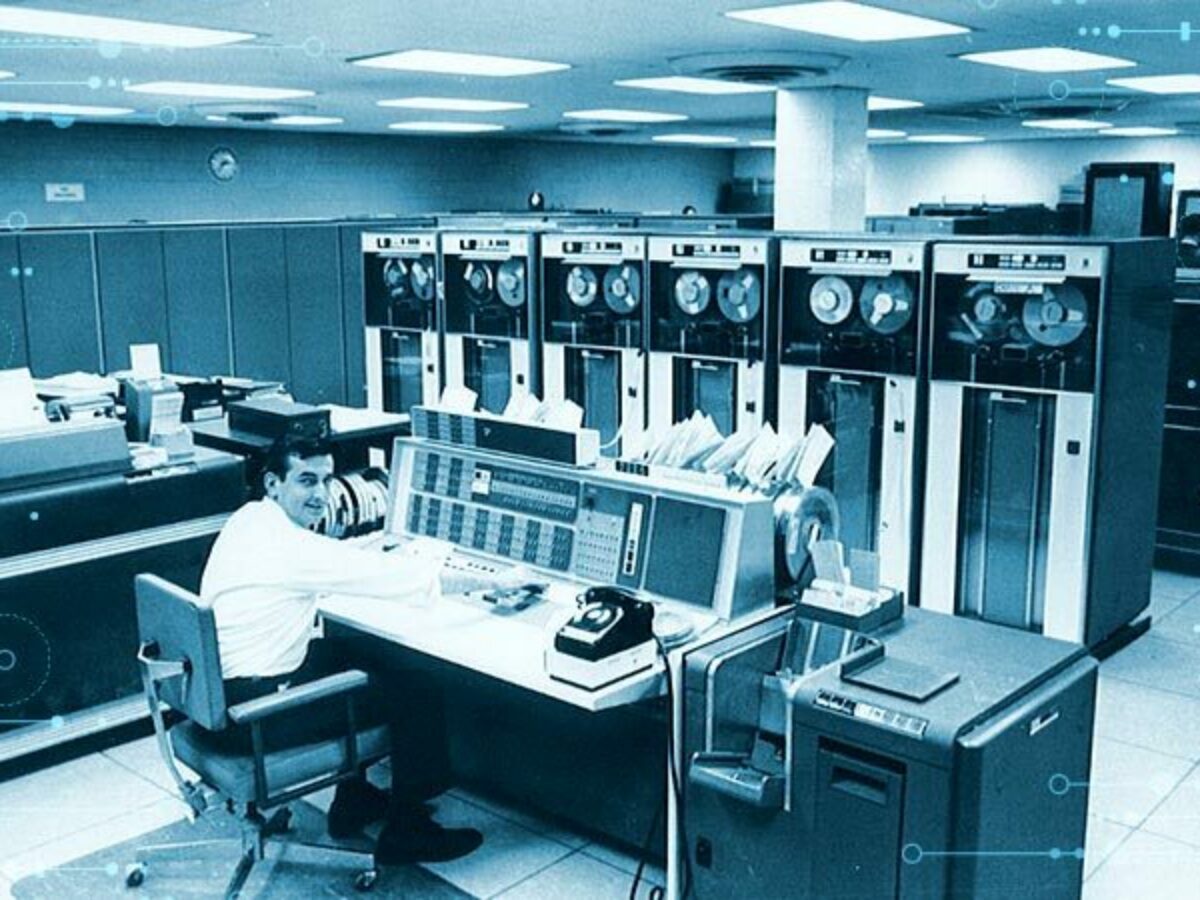

It’s not for nothing that Los Angeles is called the cradle of innovation. Modern citizens will be surprised to learn that the local ARPANET network sparked the technology revolution. I-los-angeles will tell you more about it.
ARPANET Network
It is hard to imagine the World Wide Web without this network. Its history began at the University of California, Los Angeles in 1969. The research was funded by the government (the Advanced Research Projects Agency (ARPA) of the U.S. Department of Defense), whose representatives clearly understood the necessity for such a network. It would provide the ability to communicate and share resources.
One of the “fathers of the internet” is Leonard Kleinrock, a computer science professor at the university. While still a postgraduate student at the Massachusetts Institute of Technology, he understood the mathematical theory that helped create and configure the network. Therefore, the ARPANET was a series of high-speed lines connected to computing nodes at different universities.
On Labor Day in 1969, the University of California (UC) received the first Interface Message Processor (router). A month later, the IMP was installed at the Stanford Research Institute (SRI). A high-speed line was laid between the SRI and the University of California, creating a two-node network.
A login was required to log in to the remote computer at the SRI. The first message sent over the internet was two letters “LO,” after which the network went down.
History of creation
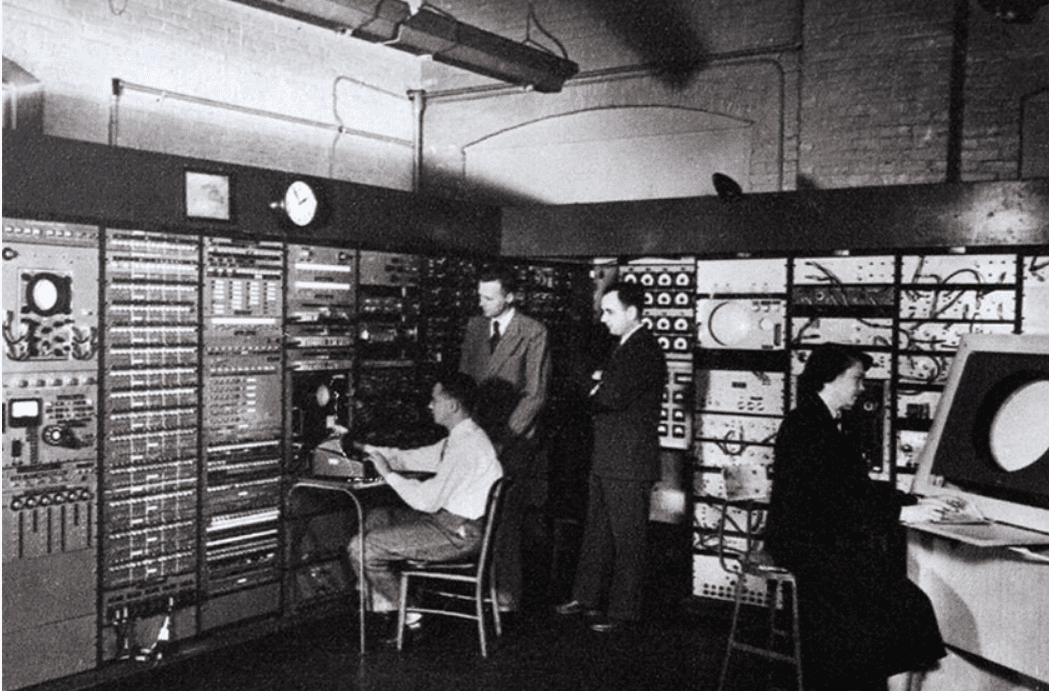
The full name is The Advanced Research Projects Agency Network, abbreviated as ARPANET. It is interesting that the first global packet-switched network was one of the first computer networks to implement TCP/IP protocols. These technologies became the technical basis of the Internet.
Bob Taylor launched the ARPANET project in 1966, relying on the ideas of Joseph Carl Robnett Licklider, better known as “Lick” or “J.C.R.” Lick, an American psychologist and computer scientist, was one of the most prominent figures in the development of computer science. Taylor then appointed Larry Gilman Roberts as the program manager. He is an American engineer who received the Draper Prize in 2001 for “the development of the internet.”
Larry Roberts, in turn, took on building the network. He incorporated Donald Davies’ projects and consulted with Paul Baran, a pioneer in computer network development. So, ARPA entered into a contract with the American research company Bolt Beranek & Newman (now known as Raytheon) for the purpose of building a network.
At that time, the developer of the first network protocol, Bob Kahn, was in charge of the designing process. Later on, Roberts hired Leonard Kleinrock from the University of California.
Connection
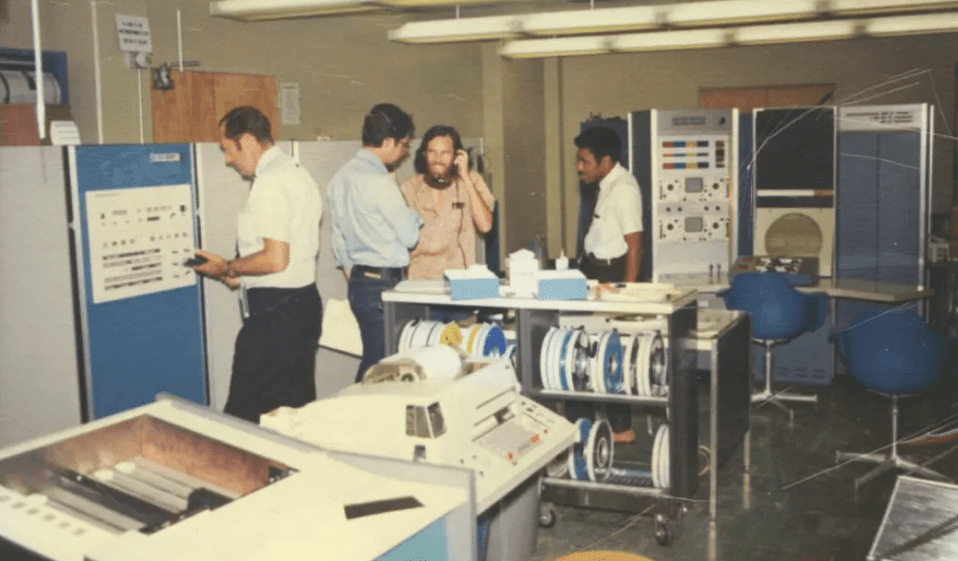
The first computers were connected in 1969, and in 1970, the Network Control Protocol was introduced. Steve Crocker, along with other research students (Jon Postel and Vint Cerf) from the UC, managed the network. By 1971, the network was fully operational. It provided the following options:
- remote login
- file transfer
- early email version.
In general, the network extended swiftly. In 1975, the Defense Communications Agency gained operational control over it.
In 1981, the ARPANET was made more available. It was then that the National Science Foundation funded the Computer Science Network (CSNET). The foundation also provided financial aid for the creation of national supercomputer centers at several universities, which ensured their connection with the CSNET in 1986.
Early history of the ARPANET
- March 1970. The consulting company Bolt, Beranek & Newman joined the ARPANET. This was an important historic milestone that marked the creation of the first network node on the East Coast of the USA.
- September 1971. Remote access was invented during this time. As a result, the network connections became simpler, which increased the popularity of the solution.
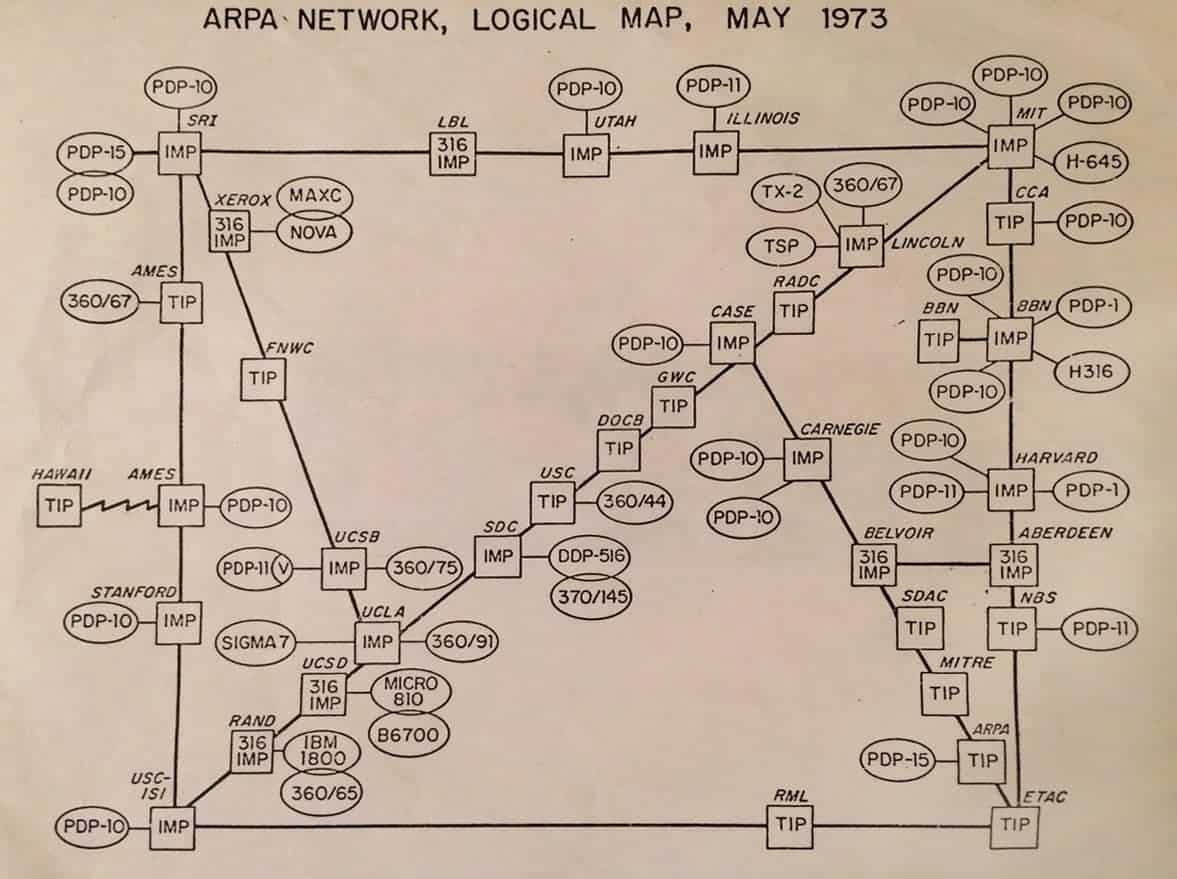
- End of 1972. By this time, the ARPANET network included 24 sites, among which were the Department of Defense, NASA, the National Science Foundation and the Federal Reserve Board.
- End of 1973. The network consisted of 37 sites, including satellite links from California to Hawaii. The first international connections to the network were made with University College London in England and the Royal Radar Establishment in Norway.
- June 1974. 62 computers were connected to the network. By March 1977, this number had grown to 111.
The end of the ARPANET story
This happened in 1990 when the network was officially shut down. During that period, the private sector was expanded due to partnerships with the telecommunications and computer industries. This led to the commercialization of the extended worldwide web, the Internet.
Most of the university computers connected to the ARPANET were transferred to the NSFNET.
The ARPANET, created in Los Angeles, is a major turning point in the development of computer technologies, which is yet more proof that the city is a cradle of innovation.