

Los Angeles is a beautiful, big city that has its own history. The pages of the metropolis’ history have not always been positive. Often, events occurred in the life of Los Angeles that took many lives. Today we’re going to mention the pneumonic plague epidemic that spread through the City of Angels for almost two months. To learn more about the history of the epidemic in Los Angeles and how it was eliminated, please visit i-los-angeles.com.
How it all started: cheap Mexican labor
The pneumonic plague epidemic began in the Macy neighborhood of Los Angeles. At that time, this area was populated mainly by Mexicans who came to the United States searching for work. The fact is that Mexicans worked on plantations and they were cheap labor. The plantation owners supported migration because such workers were profitable for them. But the trade unions were against migrants. They believed that Mexicans had a negative impact on the labor market. After all, the cheap labor of immigrants competed with Americans who wanted to receive higher wages.
The first case of pneumonic plague was diagnosed in a 51-year-old Los Angeles resident, Jesus Lajun. On September 28, 1924, he complained of a high fever and a mass in his groin. Later it became known that the day before, the man had found a dead rat near his apartment, which he had thrown into the trash with his bare hands. Initially, doctors diagnosed the man with an STD, and that was because his lymph nodes were enlarged. As a result, the doctors realized that the patient was infected with bubonic plague and if left untreated, the infection would provoke plague pneumonia. This is one hundred percent death.
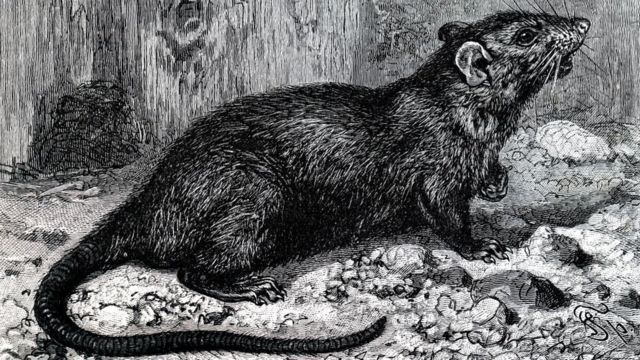
The development of the epidemic in Los Angeles
A few days later, on October 3, Lajun’s daughter, Francisca, sought medical help. The 15-year-old girl also had a fever, shortness of breath, sore throat and back pain. She was misdiagnosed with community-acquired pneumonia. Unfortunately, the patients did not recover.
The next victim of pneumonia was a pregnant nurse, Lucina Samarano. She was taking care of Jesus and Francisca. The nurse had the same symptoms as the first patients, but she was also misdiagnosed. It was stated that Lucina Samarano died of acute myocarditis. An autopsy was not performed and the body was given to her husband, Guadalupe Samarano, who also later fell ill.
Many friends and relatives came to Samarano’s funeral. Many were infected with the pneumonic plague that was spreading through the city. The priest M. Brualla, who conducted the funeral service for the deceased, was also infected. He had symptoms of respiratory system damage and died a few days later. Many more deaths and cases of infection followed.
On October 28, 1924 (a month after the first infection), Dr. George Stevens informed the hospital that an unknown disease was spreading through the city and that a quarantine department should be built.
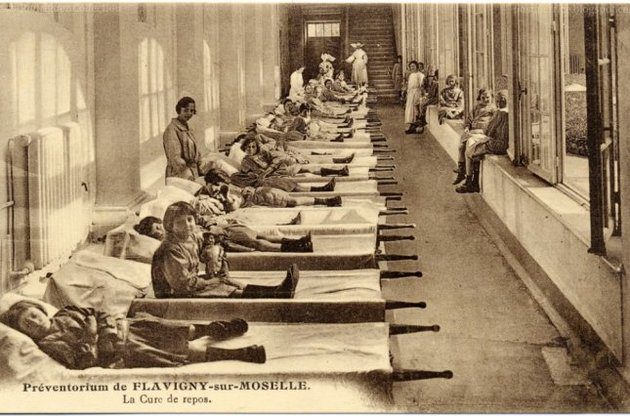
How they fought the pneumonic plague epidemic in Los Angeles
It was only on October 30, 1924, that pathologist George Maner discovered that pneumonic plague had caused deaths and triggered an epidemic outbreak. The doctor realized this after identifying the pathogen from a patient’s serum sample. He notified the Los Angeles City and State Health Department. As a result, quarantine was declared in eight city neighborhoods.
The next day, the antiserum and vaccines were ordered. It should be noted that everything was delivered to Los Angeles, but the antiserum was used only for two patients.
The quarantine was extended to cover the entire Macy Street neighborhood. The quarantine zone was closed to public transportation and each building (where there were suspected cases) was guarded. A temporary laboratory was built in the city of Los Angeles to help identify new cases faster.

We should add that the epidemic was spreading rapidly, but few people knew about its existence. The city’s leaders tried to hide the information.
Meanwhile, people continued to die. In two weeks, 24 people died. Almost all but one of them were Mexican. Everyone who died was autopsied. The homes of Mexicans outside of Macy Street were also quarantined. All ships arriving at the Macy Street port were disinfected. But on ships that were leaving, a yellow flag was hung. It meant that the ship was in the quarantine zone.
The epidemic was gaining momentum. The number of deaths was growing. The authorities and doctors tried to hide the real numbers of deaths. The newspaper El Heraldo de Mexico was the only local publication that covered the whole truth about the outbreak. The press wrote that the plague was caused by rat lice, not ordinary pneumonia. In the port of Los Angeles, they began to kill all rats to prevent the disease from spreading further. Officials banned large gatherings of people in the Macy Street area.
On November 8, Los Angeles began vaccinating people against the plague. On November 10, nine cases of clinically diagnosed plague were reported. The next day, the list of patients increased to 37.
The quarantine was lifted on November 13, 1924, as there had been no new cases for six days.
On November 15, authorities officially announced the end of the pneumonic plague outbreak in Los Angeles. Although there were still unofficially cases of the disease. The city had a citywide program to exterminate rats.
It should be added that the city’s health officials blamed the Mexicans for the outbreak of the pneumonic plague. They accused the Mexican population of inadequate hygiene. However, in reality, the epidemic was caused by poor living conditions in the Macy Street area.
By the way, an outbreak of bubonic plague could have hit Los Angeles in 2019. Experts believed that the main reason was the large number of homeless people living on the streets of the metropolis. The most interesting thing is that the local authorities are not fighting the homeless, who literally flooded the streets of Los Angeles. An outbreak of bubonic plague can easily turn into an epidemic.
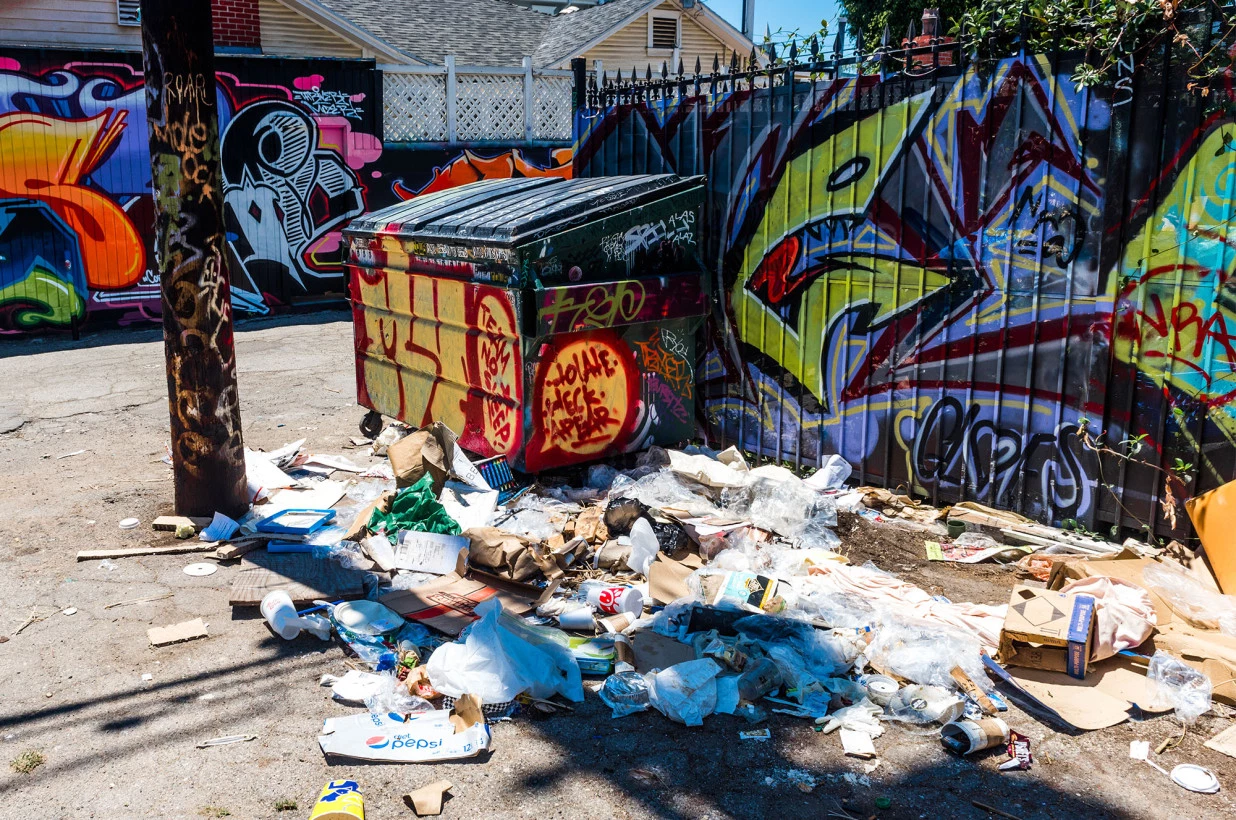
Pneumonic plague: what is it?
In general, pneumonic plague is a rare disease in modern society. It is an infectious disease caused by the bacteria Yersinia pestis. The first symptoms of pneumonic plague are fever, weakness, headache and cough. It should be added that pneumonia develops rapidly and if treatment is not started in time, the case can be fatal.
It should be noted that pneumonic plague is considered the most dangerous among other types. If you do not start treatment within a day, you can die. Pneumonic plague is contracted through close contact with an infected person or animal. Pneumonic plague is usually transmitted through rats and fleas. That is why it is necessary to control the rat population.
Pneumonic plague is treated with antibiotics, but you should always consult a doctor first. Self-treatment and delayed visits to the doctor can only worsen the situation.
Any epidemic is always a great tragedy not only for cities but also for entire countries. World history has seen many diseases, epidemics and pandemics. Each plague means thousands or even millions of human lives, overcrowded hospitals, economic decline, etc.
This is the story of the development of the pneumonic plague epidemic in Los Angeles, which officially lasted only a few months. We hope that you found our material informative and that you have drawn the appropriate conclusions.