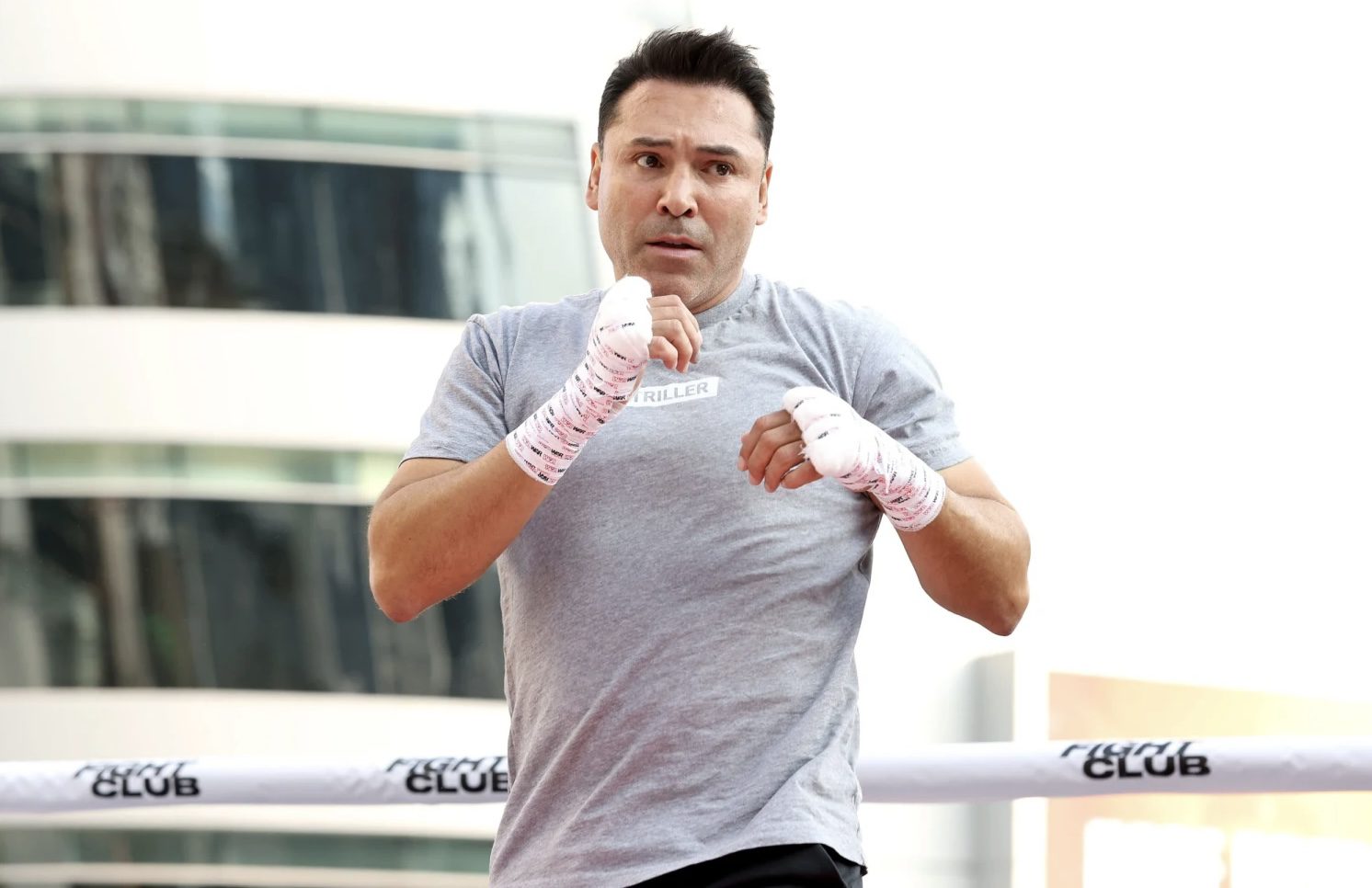
Oscar De La Hoya is one of America’s favorite athletes. Since childhood, the boxer has lived the American dream, achieving unprecedented success in everything from athletics to business, from the recording industry to numerous charitable organizations. In boxing, he has won six world titles and inspired boxing around the world. Read more about the story of Formula Drift through the streets of Long Beach on i-los-angeles.
Family
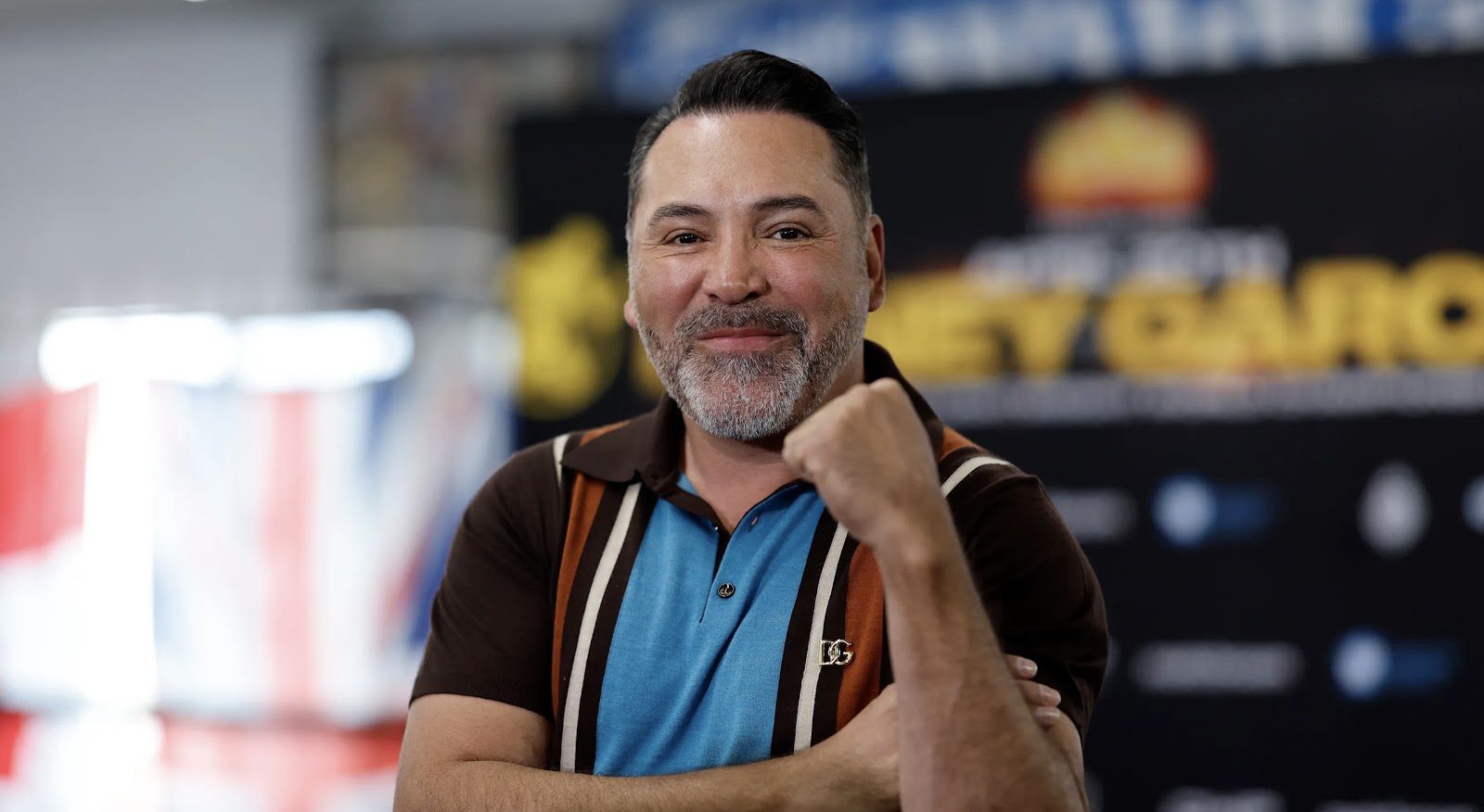
Oscar De La Hoya is a second-generation American of Mexican descent. He was born in LA in 1971. Vicente De La Hoya, Oscar’s grandfather, came to LA in 1956 and worked as an auto mechanic in a garage on Seventh Street and Central Avenue. In 1957, he saved enough to open a small Mexican restaurant, which he called Virginia’s Place.
Shortly afterward, it was demolished. Oscar’s father, Joel De La Hoya, was sixteen when he arrived in LA in 1956. He went to Roosevelt High, learned to box in East LA gyms, turned professional and even set records. In 1975, he became a dispatcher for Azusa, an industrial heating and air conditioning company, and stayed there.
Oscar has always claimed that the center of his inspiration was his mother Cecilia, who died of breast cancer in 1990. During the Olympic Games, after each of his victories, De La Hoya would drop to his knees and blow a kiss to the sky to let his mother know that he was working to keep his promise to win a gold medal. In his professional career, at the beginning of his fights, De La Hoya would look up to the sky, where he believed his mother was watching him.
Sports career
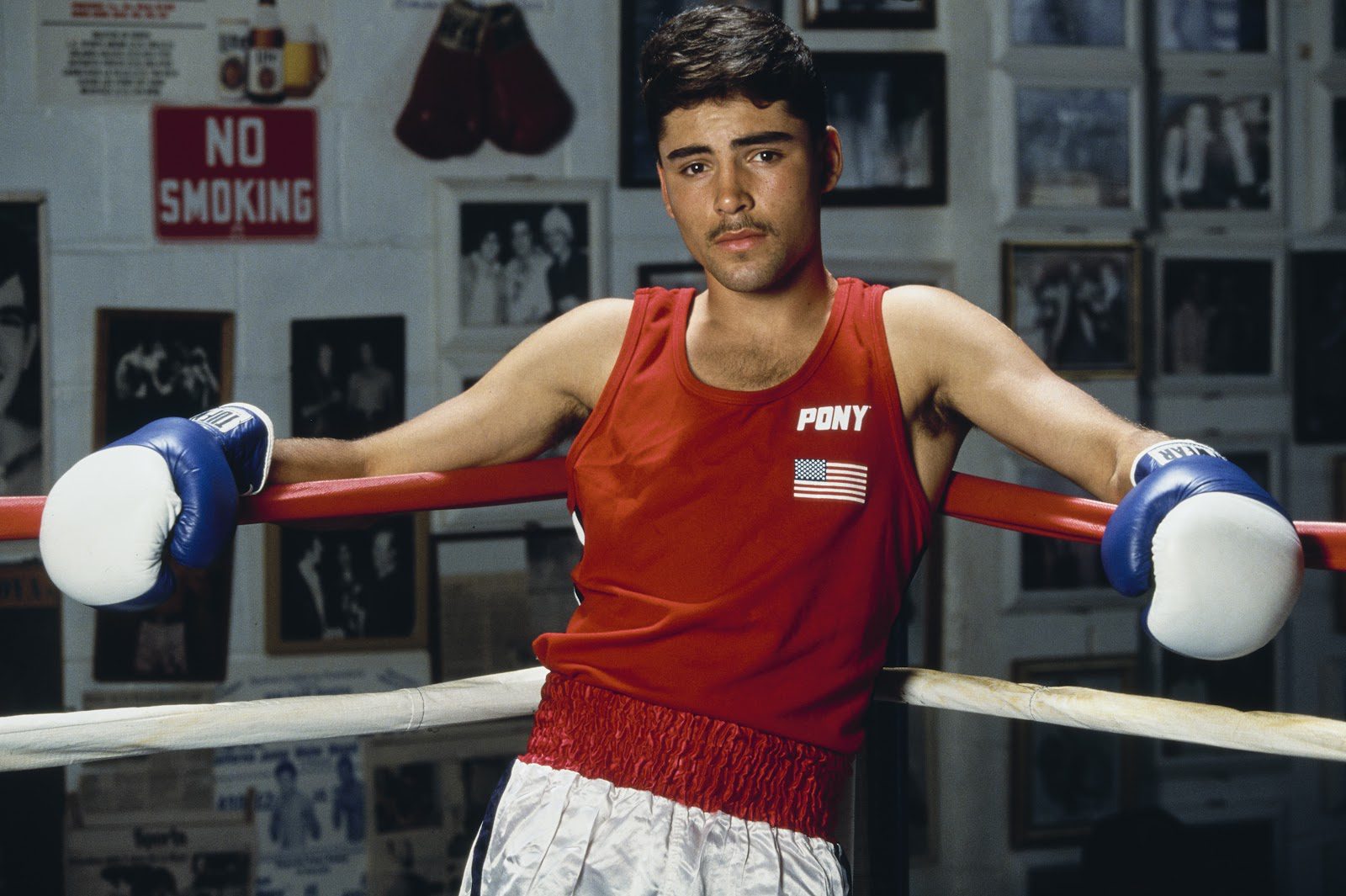
Oscar De La Hoya first competed in boxing in 1979 at the age of eight, in tournaments at the Pico Rivera Sports Arena. During his amateur career, he won 223 fights and lost only five. In 1992, he won Olympic gold in Barcelona. In less than nine years, the guy earned four world titles and set a record of thirty-three wins and two losses. Even after two losses to Félix Trinidad and Sugar Shane Mosley, he remained number one in the boxing world.
At the 1992 Olympic Games in Barcelona, a competitor known to few outside the boxing community transcended the sport and became the “golden boy.” Prior to his appearance at the 1992 Olympics, Oscar De La Hoya had been a national gold glove champion in 1989. In 1990, he won the weight division at the Goodwill Games. By 1992, he was already a two-time U.S. champion.
After winning the gold in Barcelona, where he danced in the middle of the ring wearing both American and Mexican national flags, Oscar began his legendary professional career. He was a 9-time world champion and the only fighter to ever win the prize in 6 different weight classes.
His abilities and charisma made him a celebrity and gave him a fame that few have ever achieved before. Oscar De La Hoya holds the record for the highest-grossing fight outside the heavyweight division and has been dubbed one of the 25 most influential minorities in sports. GQ magazine named him the Man of the Year, Forbes magazine included him in its Power List and People magazine named him one of the 50 Most Beautiful People in the World.

Changing stereotypes in boxing
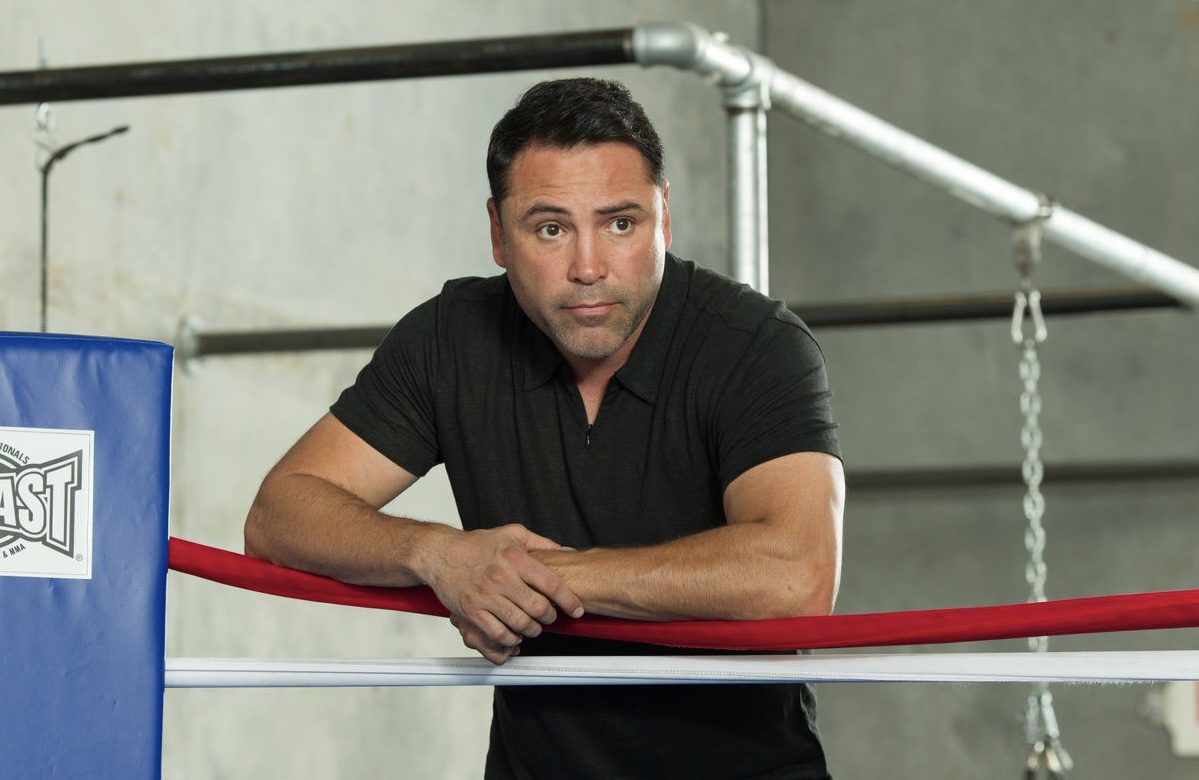
His approach to boxing reflected middle-class values, according to which the body is viewed not so much as a means to an end but as an end in itself. In other words, De La Hoya endorsed boxing as a sport for a fit, healthy and beautiful body. In an interview with Playboy, De La Hoya explained that the tradition of boxing is that the audience sees a brutal fight and boxers should be in the ring and bleed. But Oscar wasn’t going to do that. He was careful and didn’t want to get hit.
By challenging the stereotypical image of the Mexican boxer who fights with his face, De La Hoya challenged conventional assumptions about male pride. De La Hoya, with his millions of dollars in wealth, movie star looks, love of golf and obvious devotion to women and children, cultivated what he considered to be the best heroic ideal to fit the time and place. Thus, in constructing his own sense of masculine distinction, De La Hoya chose to emulate the career of the African American Sugar Ray Leonard rather than the Mexican American.
Oscar’s distinction mattered because by defining and challenging notions of boxing masculinity, he and his fans raised awareness of new conditions and possibilities for gender identification. No other boxing champion has questioned his masculinity like De La Hoya. He was called the smart fighter. Thus, some ethnic Mexican men found in him a suitable example of rethinking their own sensitivity.
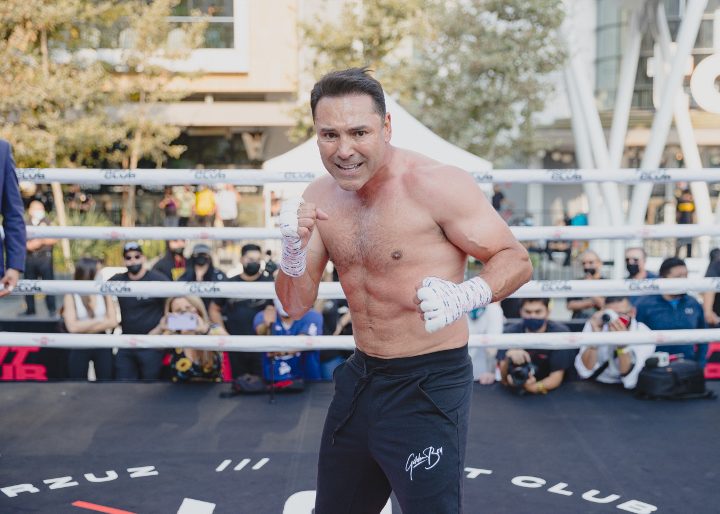
Most of the fans are women
In 1995, when he made his way to the ring to fight Genaro Hernández, he was met with screams of joy from the girls and whistles from some of their boyfriends. In 1998, when he fought Patrick Charpentier, his every move was closely watched, especially by women. According to Fred Albers of the KTSM-TV television station, De La Hoya’s influence on El Paso, especially on the city’s women, was unprecedented.
Publicly recognizing women’s participation in De La Hoya’s career opened up space for female fans. They then played a fundamental role in shaping masculinity in boxing, as they had always done in their ethnic Mexican families and communities. For example, female fans told De La Hoya that they shared his desire for him to box and stay handsome. Even De La Hoya’s opponents began to fear the influence of the unique makeup of his female fans.
De La Hoya’s popularity among women was unprecedented in the history of Mexican-American boxing. Women used De La Hoya’s career to challenge and discuss the meaning of ideal masculinity. In 1998, for example, Loretta Barela, a De La Hoya fan, argued that it was probably true that the only reason men hate him is because every woman thinks he’s perfect.
The influence of his mother, girlfriend, female admirers and male friends, combined with his wealth and fame, created a moment in De La Hoya’s life when he could have challenged the systems of gender dominance he encountered in his daily life. But De La Hoya surrendered to the wishes of his father, brother and close friends, who pressured him to avoid a long-term relationship at all costs.
Unfortunately for De La Hoya, the image of the “golden boy” was tarnished even among his fans in a short period of time. His refusal to fight in rematches did not win him favor with the fans. His moves to Montebello, then to Newport Beach, then to Pasadena and finally to Bel-Air, where he has a home in the most expensive neighborhood in LA, have always drawn criticism.
Business development
As the owner of Golden Boy Promotions, Oscar De La Hoya runs one of the top three national boxing promotion firms in the U.S. and among the top five worldwide. Oscar De La Hoya is a partner in the Spanish-language newspaper group El Diario/La Prensa (New York), La Opinion (Los Angeles) and La Raza (Chicago).
Oscar De La Hoya also runs his own foundation to help children. In 1995, as a tribute to his mother and guided by his personal values and beliefs, he made another promise to help those in need. The Oscar De La Hoya Foundation was conceived out of a passion to bring learning and sports empowerment to the youth of East LA. The institution aims to help kids emphasize self-esteem and success through hard work, dedication and school achievement. Going beyond educational and athletic goals, the foundation makes generous donations to White Memorial Medical Center in LA.
It was thanks to these contributions that Cecilia Gonzalez De La Hoya Cancer Center was created, as well as Oscar De La Hoya Labor and Delivery Center and Oscar De La Hoya Neonatal Intensive Care Unit. The foundation is a direct result of the boxer’s dedication and openness. Oscar De La Hoya Ánimo Charter High School was founded in 2003. The educational institution was built on the site of the former Oscar De La Hoya Youth Center and boxing hall. The school was opened in September 2009. More than 500 students are educated here.