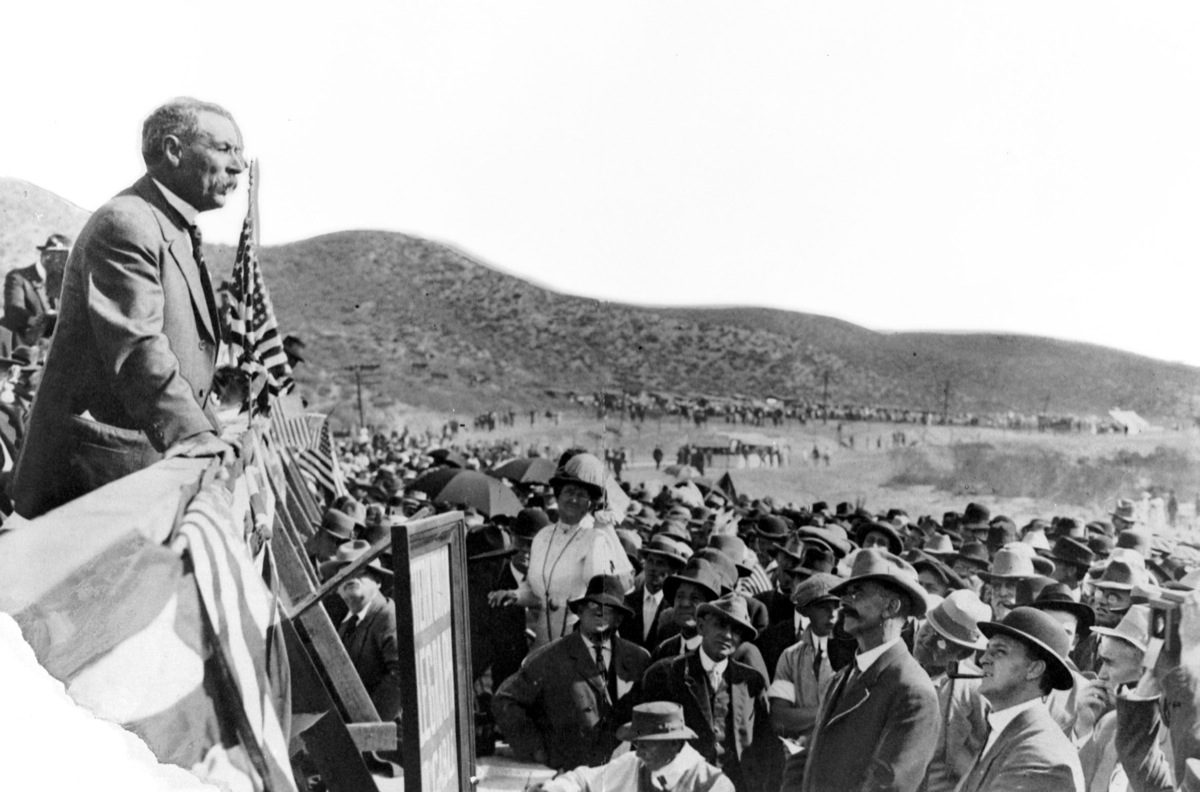

The history of Los Angeles is exciting while still tumultuous. The modern metropolis has been under construction over the years, with many people contributing to the development of this American city. Today, we will speak about an inventor who has left his imprint on the history of Los Angeles, William Mulholland. He is known for building the city’s water supply infrastructure under his leadership. Learn more about it on the pages of i-los-angeles.com.
What is known about the inventor?
The future inventor and engineer was born in Ireland. His father worked as a guard for the Royal Mail. When William was seven years old, his mother passed away. That is when the boy’s life took a difficult start.
At the age of 15, William Mulholland had already gone to work in the British Merchant Navy as a sailor.
A career as a sailor was successful for the young man, but he was eager for a change. William Mulholland arrived in New York in 1874, followed three years later by Los Angeles.
Career development
After spending some time in Los Angeles, William decided to get back to work as a sailor. After all, he could not find a way to make a living in the city. On the way to San Pedro harbor, Mulholland agreed to dig wells. He even searched for gold on the Colorado River. One day, he got an offer to be deputy water distributor for the LACWC, a city water company in Los Angeles. It was from this company that William Mulholland’s career went upward. He even received American citizenship.
In 1880, Mulholland started managing the laying of the first iron water line in Los Angeles.
In 1902, the Los Angeles authorities decided to form the Department of Water Resources, with William Mulholland at its head.
Only four years later, William Mulholland was appointed chief engineer of the Bureau of the Los Angeles Aqueduct. For over six years, the engineer led the construction of the aqueduct. It should be noted that almost four thousand workers have been working on the project, along with 164 tunnels excavated. The project was no less complicated in its complexity than the construction of the Panama Canal.
We should add that an aqueduct is a man-made waterway with a pipe or canal through which water is transferred for the population or agricultural needs. The history of these structures dates back to the Roman Empire.
About the Owens Valley conflict
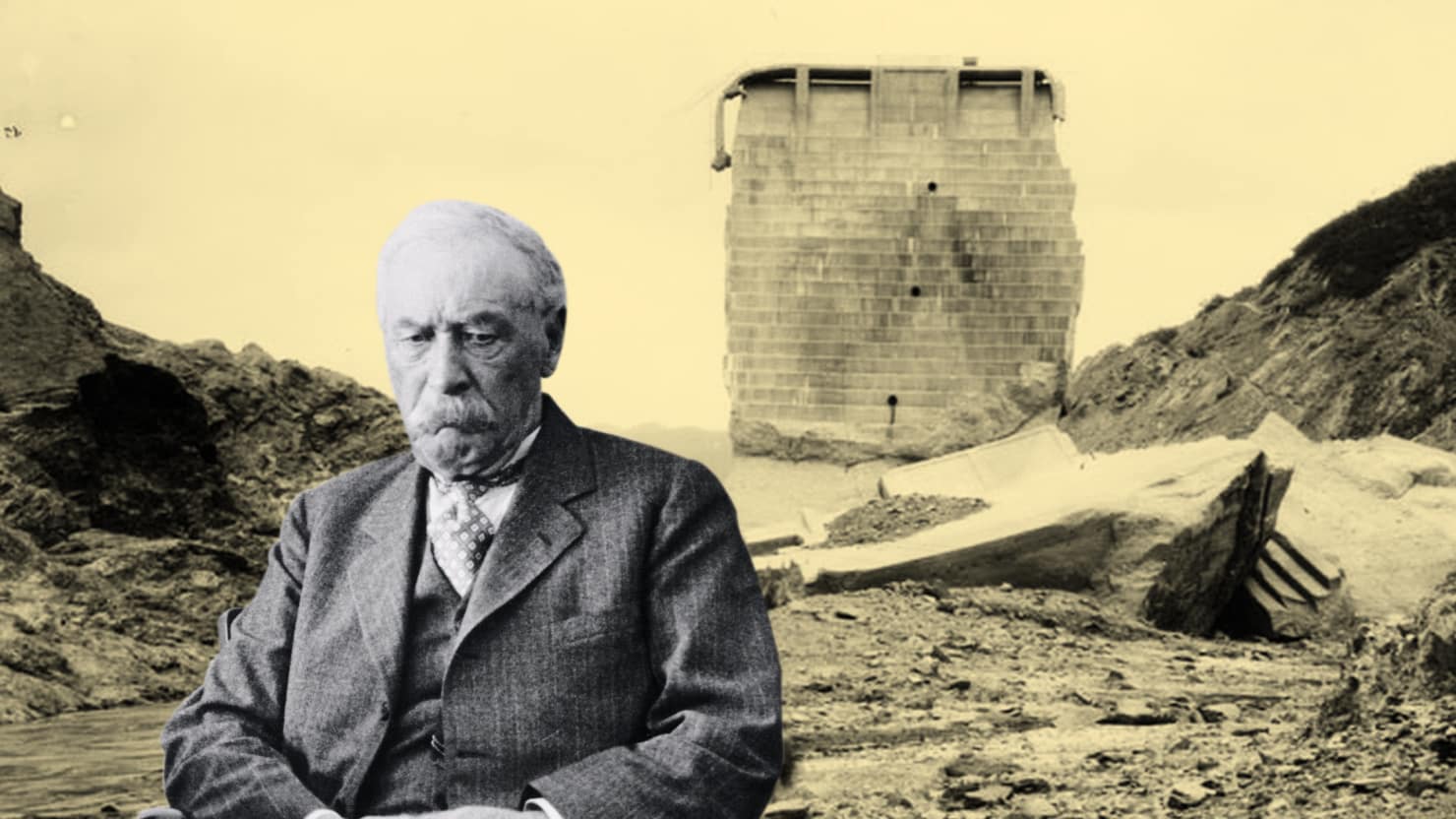
However, not all things were good in William Mulholland’s career. After construction of the aqueduct was completed, investors demanded large quantities of water, which invoked the Owens Valley, which supplied the water, to begin drying up. Moreover, the water inflows to Owens Lake were diverted, causing the lake to dry up by 1924.
Farmers started organizing riots. As the conflict escalated, armed men seized the aqueduct and blew it up in the Jawbone Canyon area. Throughout the year, further actions were taken against the aqueduct’s operations. For several days, Los Angeles was entirely without a water supply. The authorities and William Mulholland were forced to negotiate with the rioters.
In 1927, the Owens Valley economy was destroyed and attacks on the structure ceased. Then, Los Angeles provided funding for some repairs to the aqueduct facilities.
Despite some rough patches, William Mulholland was the first civil engineer who used the hydraulic sluice for the reservoir dam construction. It was this method that became of interest to his colleagues. On top of that, he had no formal education but learned everything on his own. William Mulholland received recognition and was awarded an honorary doctorate by the University of California, Berkeley, in 1914.
That was the story of building the water supply infrastructure in Los Angeles. As for William Mulholland, he will forever remain in the memory of Americans as the man who ‘broke the rocks and brought the river to the thirsty land.’
We hope you found our material informative and drew the appropriate conclusions.