

Thousands of people quit smoking every year thanks to the nicotine patch. It is worth telling about the person whose research helped develop this invention. I-los-angeles will tell you more about all of this.
Who is Murray Jarvik?
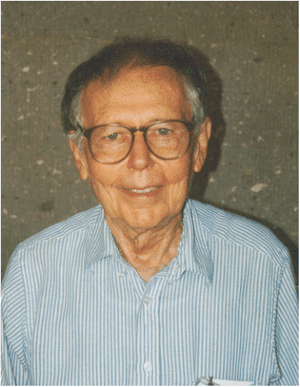
He is an American psychopharmacologist (he studied the effects of drugs on mood, feelings, thinking, behavior, evaluation and memory) and scientist. Murray Jarvik was one of the first academics to study lysergic acid (the precursor to lysergic acid diethylamide, abbreviated LSD). He was one of the inventors of the nicotine patch.
In addition, Jarvik is remembered as a professor emeritus at the University of California, Los Angeles. It was in this institution that he worked for many years as a professor of psychiatry and pharmacology.
His life’s journey began in New York in 1923 and ended in Santa Monica, California. He was 84 years old. The death resulted from pulmonary edema due to congestive heart failure.
His father was engaged in furniture upholstery. Health problems burdened Murray’s happy childhood and later life. Jarvik suffered from heart issues that developed after rheumatic fever that he had at the age of 12. At 28, Murray was smitten by polio, and in 1992, he was diagnosed with lung cancer. Interestingly, the man never smoked. Timely diagnosis and treatment helped cure the cancer.
Why do people smoke?
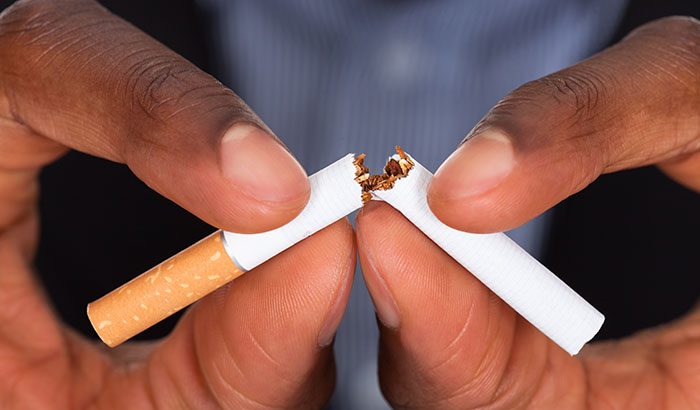
Mrs. Jarvik said that her husband always sought the reason and answer to the question of why people smoke. Together with his colleague, Dr. Elizabeth Van Liere, the man created something similar to cigarette smoke. Research monkeys inhaled it through sucking tubes, and scientists observed the animals’ behavior while studying it. In 1970, Jarvik published an article stating that smoking is an addiction caused by nicotine.
In 1972, the scientist transferred to the University of California, Los Angeles. He worked there until his career was over. It is interesting that he took monkeys with him. In California, Murray Jarvik began to focus not only on the effects of smoking but also on methods of treating this addiction. He started experimenting with nicotine gum to see if it could stop a craving to smoke.
During this time, he and his younger colleague Jed Rose started to think about how to reduce addiction using a nicotine patch. The idea came from Dr. Rose’s brother, Daniel, who was a young doctor. He proposed to add nicotine through a transdermal patch.
Murray Jarvik and research
The scientist began to study how tobacco content was absorbed through the skin and how it affected the human body. The first research started with farmers in the southern United States who earned a living by harvesting tobacco by hand. There was the so-called Green Tobacco Sickness that affected those farmers who got the crops in the South. They suspected that nicotine in tobacco was absorbed through the workers, provoking corresponding symptoms.
For a long time, Murray Jarvik and Jed Rose could not obtain permission to carry out research on humans. Therefore, the scientists began to test the effect of the nicotine patch on themselves, thus measuring the impact of tobacco. Jarvik recalled that he and his colleague began to experience such symptoms as heart racing and adrenaline rush. Overall, this is what happens to smokers.
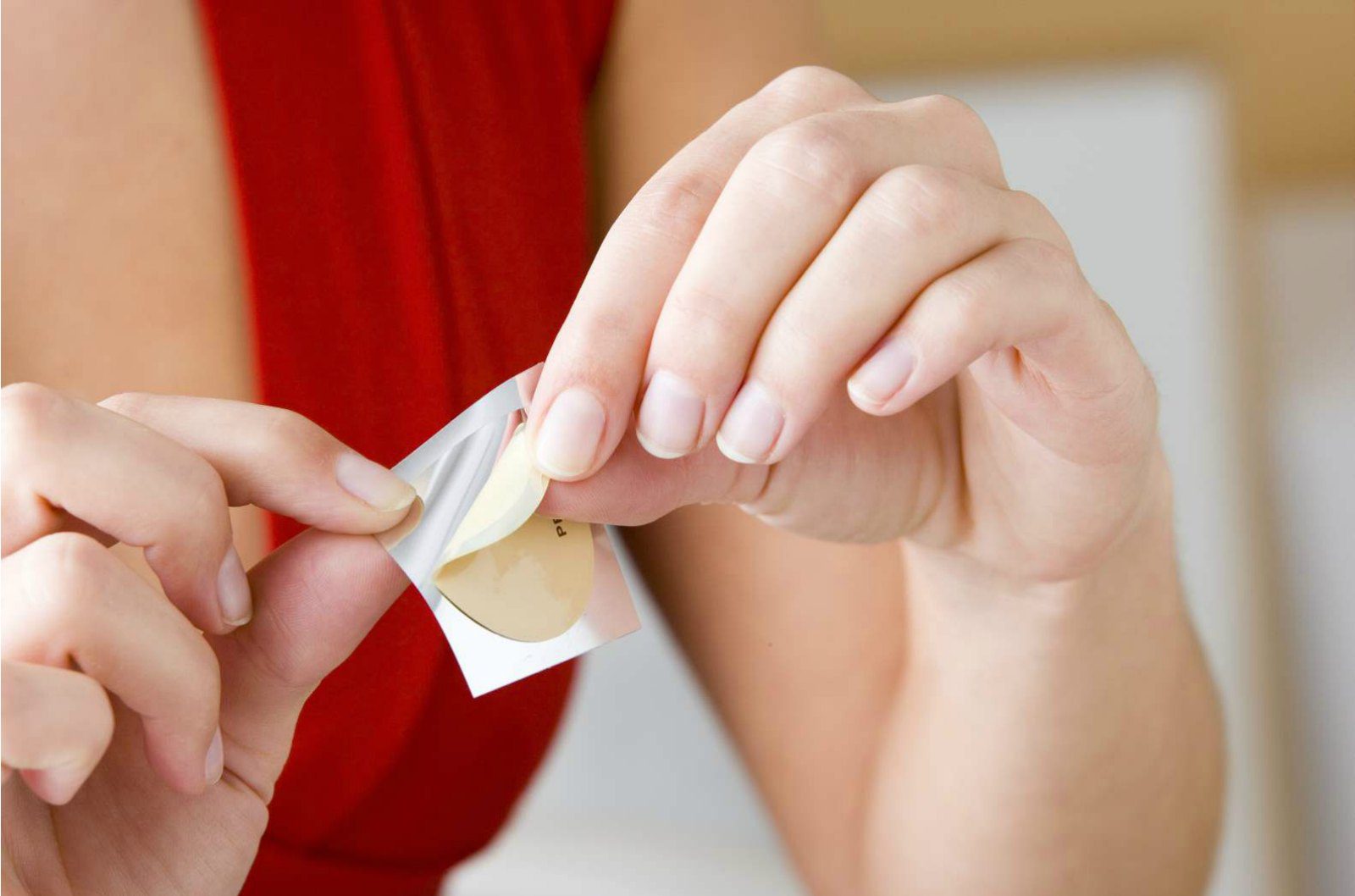
Owing to the research of scientists from Los Angeles, the nicotine patch was invented in the early 1990s. Jarvik, Jed Rose and Daniel Rose applied for a patent for the nicotine patch in 1988 and received it in 1990. The license was granted by Ciba-Geigy, now known as Novartis.
In 1992, it became available by prescription for smoking cessation in the USA. In 1996, the patch was allowed to be bought without a prescription.
The nicotine patch
With this transdermal patch, nicotine enters the body through the skin. It is one of the components of nicotine replacement therapy that helps people quit smoking. It was found effective, as a meta-analysis confirmed that less than 20% of people using the nicotine patch remain smoke-free for a year.
According to the studies, the combination of the nicotine patch with cognitive-behavioral therapy shows high effectiveness. This patch helps more pregnant women quit smoking, alleviates symptoms of postoperative pain and treats early dementia. Studies have also been conducted for treating anxiety, depression, individuals with ADHD (Attention Deficit Hyperactivity Disorder) and late-life depression.
It has also been proved that symptoms of ulcerative colitis can improve, with the exception of Crohn’s disease.
The time for using the nicotine patch ranges from 16 to 24 hours. It is recommended to remove them in the evening before bedtime. The patch may cause the following side effects: headache, nausea, dizziness, insomnia, cough, sweating, anxiety dreams and irritation at the application area. Side effects such as diarrhea, dizziness, cold extremities and rapid heart rate were not often observed in subjects.
Nicotine patches are available over-the-counter. The patches can be 21 mg, 14 mg or 7 mg strong. For smokers who smoke 10 or fewer cigarettes per day, the total treatment takes 8 weeks. Treatment is extended to 10 weeks for people smoking over 10 cigarettes a day.
Personal life
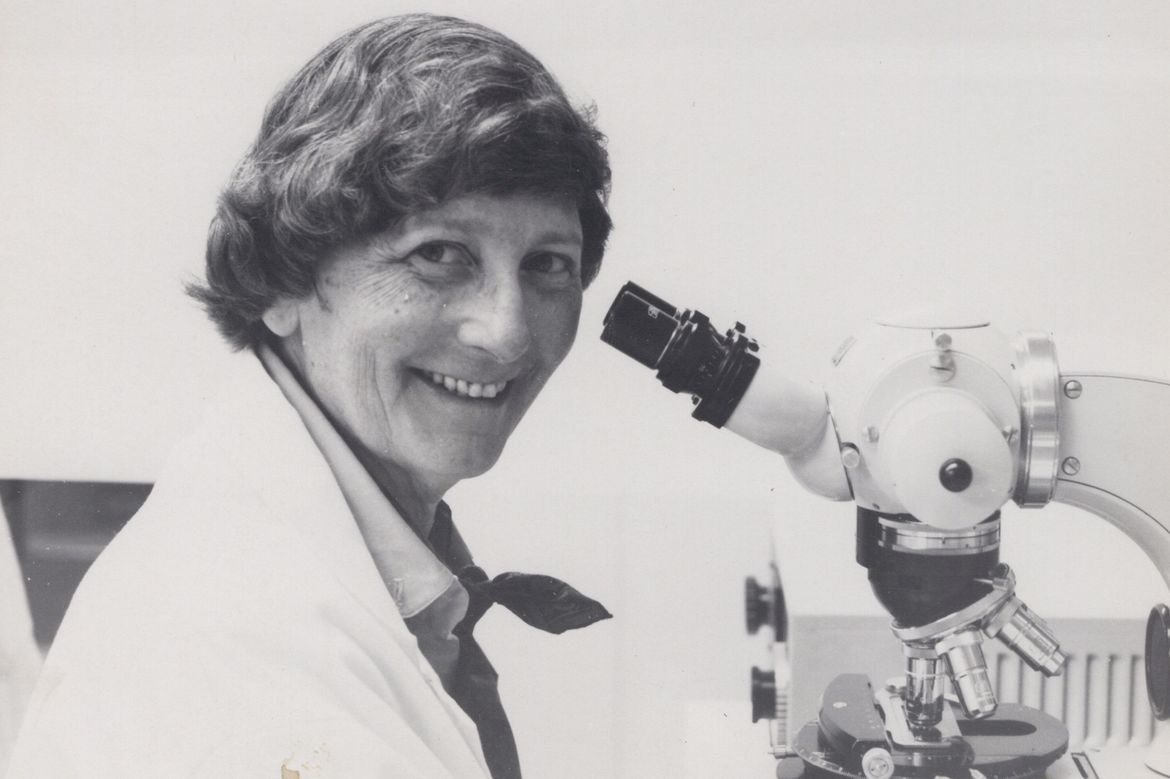
In 1954, Murray Jarvik married Lissy Feingold. The couple had two sons. They lived together for 53 years until the man’s death separated them. Lissy passed away in 2021 at the age of 97. The woman was of Dutch descent and worked as a geriatric psychiatrist. It is worth noting that the National Library of Medicine described Lissy Jarvik as a “pioneer in the field of neuropsychogeriatrics.”
They met when Lissy was a resident. She accidentally came to the laboratory of her future husband. Interestingly, unlike her husband, the co-inventor of the nicotine patch who never smoked, she was a heavy smoker. This fact was a driving force in Jarvik’s career. He always believed that people should drop smoking because it is a bad habit.
The sons of the couple also deserve special attention. For example, Lawrence Jarvik directed a documentary called Who Shall Live and Who Shall Die. The film tells about the Roosevelt administration that remained passive during the Holocaust. The second son, Dr. Jeffrey G. Jarvik, worked as a professor of neuroradiology at UW Medical Center.
Popularity of the nicotine patch
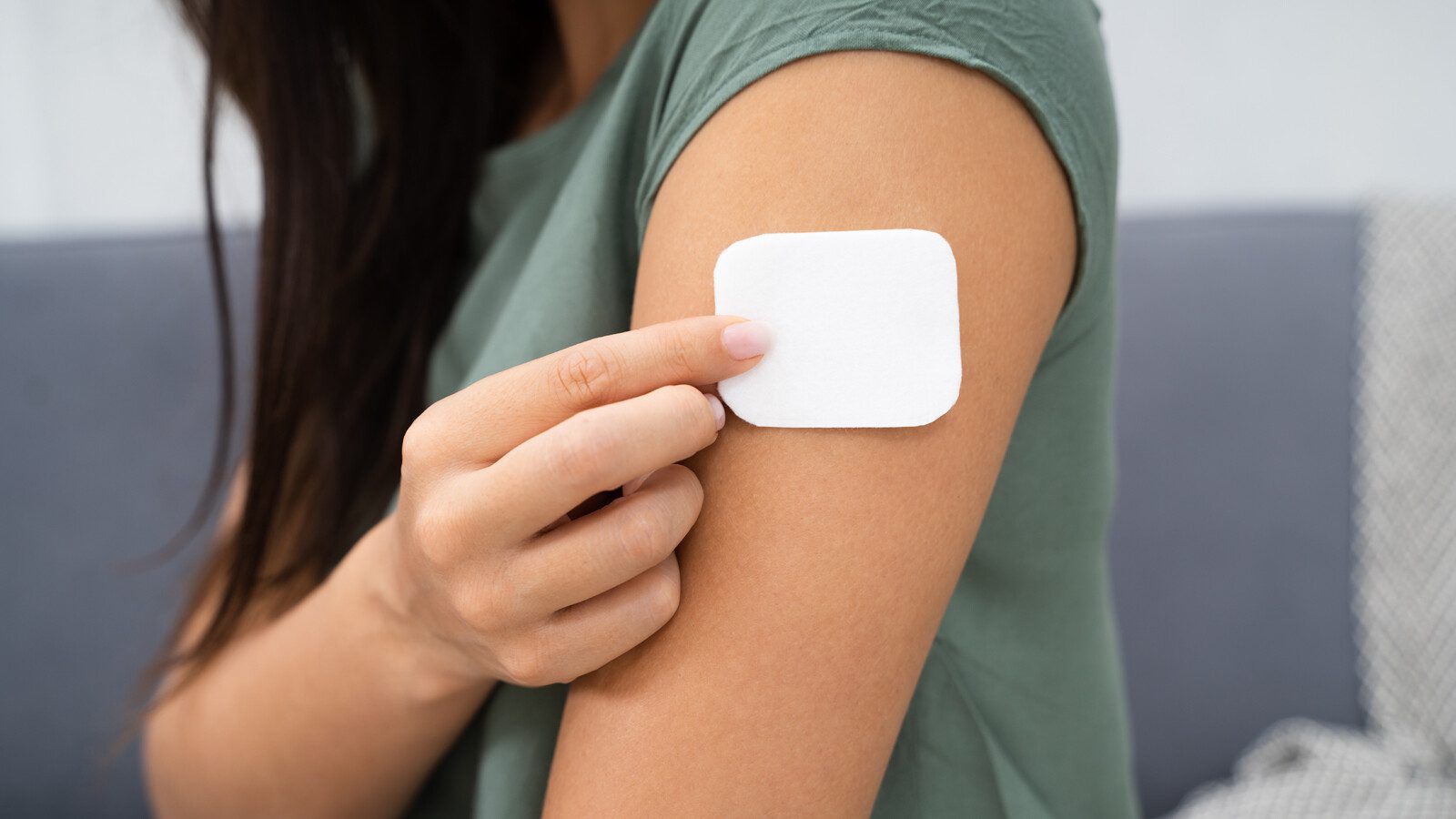
This popular and effective way to quit smoking is still in demand. In addition, nicotine products cover nicotine gum, lozenges, inhalers and sprays. How to use the nicotine patch is as follows:
- Put it on clean skin (on the shoulder, chest, back)
- Then wash your hands well to remove any nicotine residue
- It is better to put a new patch on a different area every day
- After using the patch, dispose of it. Make sure that children and pets do not have access to it.
So, Los Angeles inventor Murray Jarvik and his colleagues made this important and effective product available to everyone.