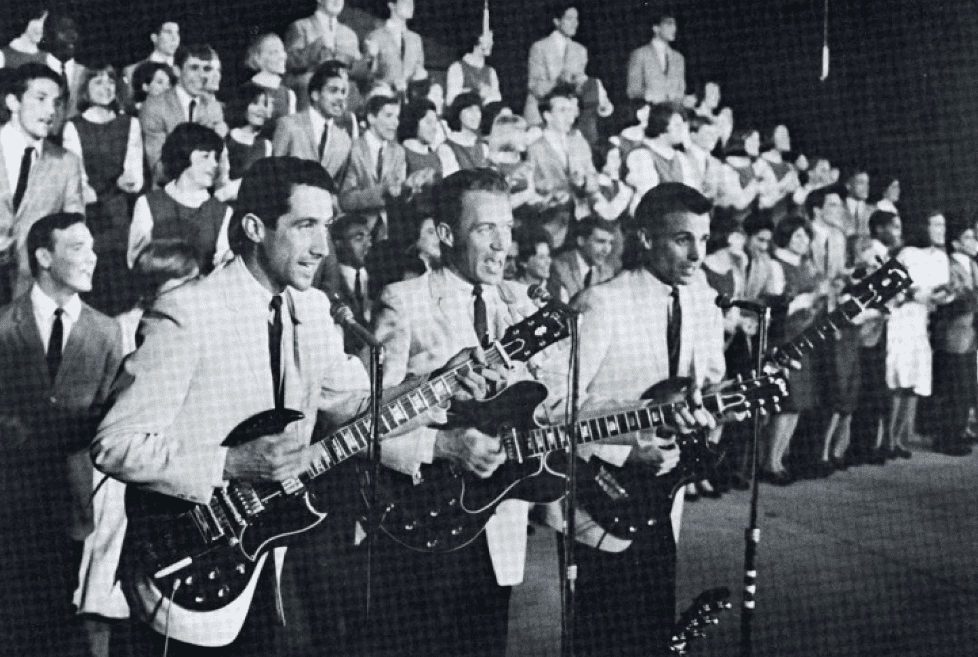

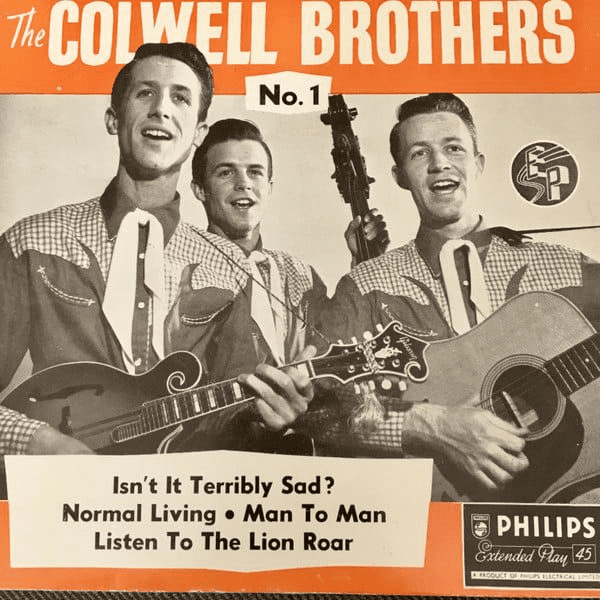
Steve and Paul Colwell, talented performers from The Colwell Brothers (hereafter Sing Out ’65), wrote their hit song, Seventy-Six Cities. On September 14, 1965, that song became the official anthem of the County of Los Angeles. How did it happen? I-los-angeles will tell you interesting facts regarding the anthem.
The story of The Colwell Brothers
The future singers were born in San Marino, a pretty wealthy suburb of Pasadena in the County of Los Angeles. Their family lived there, making the city the starting point of their formation as musicians.
It was not an easy path, for they had to grow up quickly, abandon their comfortable surroundings, and put everything they so sincerely believed in on the line. So, the musical career of The Colwell Brothers started in San Marino.

A repertoire of young singers
Talented performers came to Los Angeles during the riots. The city was gripped by a catastrophic race riot in the Watts neighborhood, which was predominantly African American. As a result of these events, 34 people lost their lives and the resulting damage amounted to $40 million.
After a community recovery, The Colwell Brothers were scheduled to perform to an audience at the Hollywood Bowl and Jordan High School in Watts.
Their repertoire was upbeat, promoting unity and peace, so the brothers decided to take a risk and perform, giving people hope for a brighter path.
One of their songs was subsequently chosen as the official anthem of the county. Here are a few lines of this ode:
God made the world and then He looked around
To find Him a county and this is what He found.
A land of sea and mountain and desert wilderness;
And he made an earthly paradise He called Los Angeles.
For a time, the song was unknown until its moment of stardom came.
Hidden facts regarding the county’s anthem
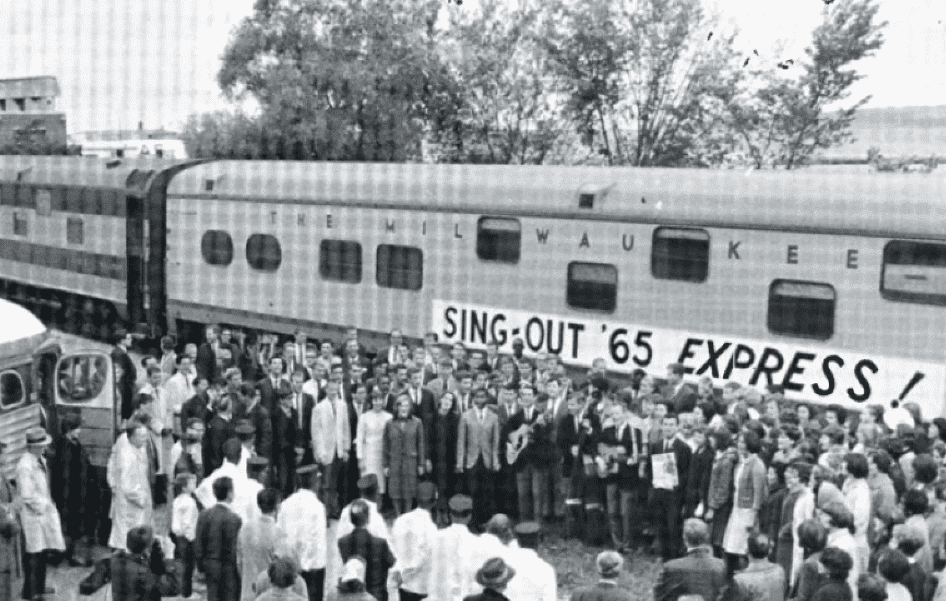
- The song is associated with an evangelical organization that had played an integral role in the ideological war. Former members called it a cult. Some of its members told horror stories, while others denied them.
- At the time of writing the upcoming anthem, the County of Los Angeles numbered 76 cities. The listeners have heard this song on KPCC’s Take Two.
- It is interesting to observe that the band appeared, most likely not accidentally, in places where there was high tension, for example, in the centers of anti-American protests, during racial uprisings, etc.
- During a visit to Los Angeles, Sing Out ’65 was invited to a meeting of the Board of Supervisors, where they were to perform on September 14, 1965. There they performed the song, Seventy-six Cities, for the first time. The members of the Board of Supervisors were so struck that they passed a unanimous decision to make this song the county’s official song.
Disputes and scandals
The band’s story went on. Sing Out ’65 later became the band, Up With People. Some members, such as actress Glenn Close, described the band as a cult gathering.
Lee Storey made a documentary called Smile ‘Til It Hurts: The Up With People Story. This film work recounts the group’s control tactics, describing obscure sexual politics and the practice of arranged marriages.
The other “cult” former members denied all of this, emphasizing that the group promoted conservative values that were highly relevant given the period of a cultural shakeout.

The power of music
It’s hard to list the performers who have influenced world events. A prime example of such a band was The Colwell Brothers and Herb Allen. The trio played to encourage people with entirely different audiences. Their performances, for example, could be held in remote villages or the concert halls of major metropolitan cities.
Over 90 million television viewers were astonished by their break and spectacular appearance as Up With People. They were invited to perform music before presidents, prime ministers and royals. They toured 60 countries on six continents.
For the Sing Out ’65 band, those characteristics of pleasant and fun-loving performers are best suited. Their so-called religious/social purpose was to send a message of hope and peace and willing to show the citizens a brighter path.