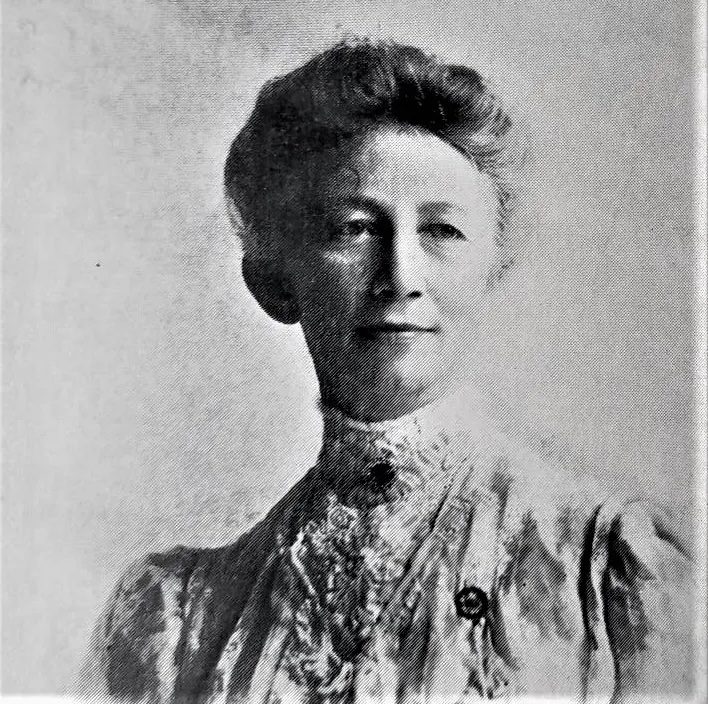

It was not easy to be a woman doctor in the 19th century. Elizabeth faced discrimination for her gender even during her studies because there was no equality between men and women. However, she repeatedly proved throughout her medical career that gender plays no role. Patients would line up to get her medical advice. To learn more about the wealthiest doctor in Los Angeles, Patrick Soon-Shiong, visit the website i-los-angeles.
Biography
Elizabeth Ann Fallansbee was the daughter of Nancy Sherman and sea captain Alonzo Fallansbee. She was the great-granddaughter of Roger Sherman, the man who signed the Declaration of Independence. She came from a prominent family on the East Coast. However, that did not stop male students from making Elizabeth’s life difficult when she entered medical school at the University of California (USC) in 1875. She was one of two female students. After a year of constant bullying, she transferred to the University of Michigan, which was more friendly to women. She earned her degree at the Women’s Medical College of Pennsylvania in 1877.
At that time, female doctors would only be accepted by their male colleagues if they limited their practice to areas considered appropriate for women, such as treating women and children. Among her many initiatives to ensure a promising future for women in medicine was the establishment of an organization for women who graduated from medical school at USC and internships at a children’s hospital in San Francisco. It was the only facility on the West Coast that accepted female interns and residents for medical appointments.
The fight for women’s rights
Together with Charlotte Blake Brown and other female doctors, she established the Women and Children’s Hospital of San Francisco. Due to health reasons, she moved to Los Angeles in 1883 and became the first woman to join the Los Angeles County Medical Association. Elizabeth was a professor of pediatrics and headed the department of this specialty at USC. Fallansbee criticized her students but in a kind manner. Her recommendation for a candidate to intern at the children’s hospital was much more important than the students’ academic achievements. She was a loyal friend of her patients and never cared about herself. The doctor did not have much money because she was always too busy to write books and too selfless to send bills to her patients for payment.
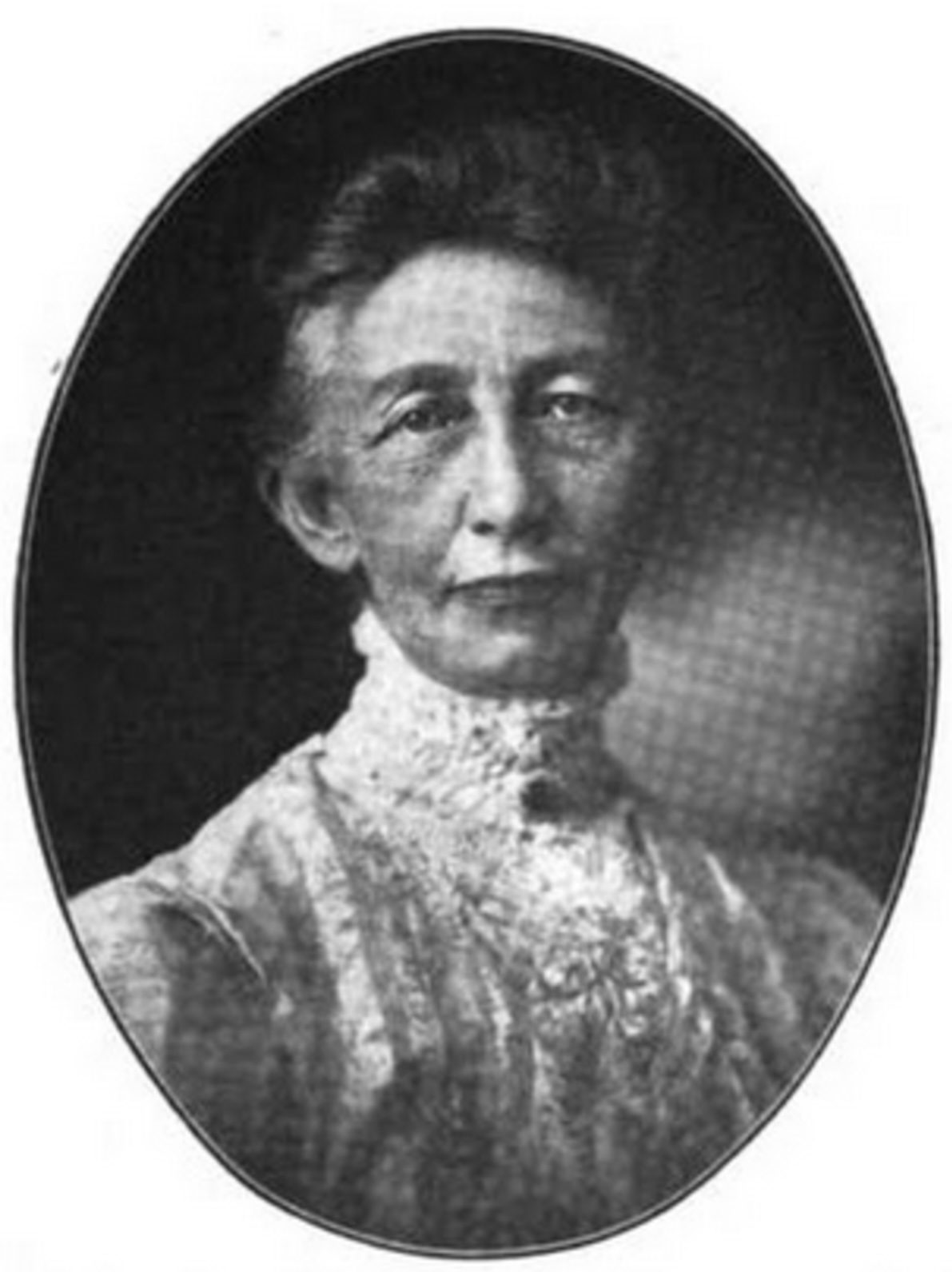
Elizabeth Fallansbee worked as an assistant editor for The California Medical and Surgical Reporter, which was launched in 1905. For two years, she imparted her knowledge of pediatrics to Rose Talbot Bullard, a fellow female doctor in Los Angeles. Elizabeth worked as an on-call doctor at the Florence Home for Erring Girls in the 1890s. During and after her medical career, Dr. Fallansbee was active in women’s clubs and the suffrage movement.
Death of the doctor
Elizabeth passed away at the age of 77 in a Los Angeles hospital on August 22, 1917, after an extended illness, most of which she spent unconscious. She was surrounded by close friends and colleagues who provided all comforts and medications to ease her suffering. Reporting on her death, The Los Angeles Times noted that Elizabeth Fallansbee was a widely known, beloved woman and faithful friend to every woman in distress and a helpful companion to all men, women and children in need.
Dr. Fallansbee was one of the leading women in Los Angeles and the state until her illness forced her to give up many activities in recent years. From the early days of her practice, she was known as an open-hearted philanthropist. She never sent bills to patients who did not have money. In all spheres of her work, the doctor was a leader among women. However, she had a disability for many years and stopped participating in the suffrage movement a few years before her death.